.webp)
When you stand before the chocolate shelf in a high-end shop, you're faced with dozens of choices, dozens of brands, and a wide range of prices. The best chocolates aren't measured solely by price or the beauty of the packaging—there are deeper criteria that determine the quality of what you put in your mouth. People often overlook these criteria, buying what glitters rather than what's truly worthwhile.
Qimmat Al-Markat Al-Arabiya, a company specializing in importing and distributing luxury food products, deals with this question daily from various angles. From this accumulated experience in the high-quality market, we can offer you an honest and practical perspective on the world of chocolate in all its facets.
Basic types of chocolate
Before you ask about the best types of chocolate, you need to understand what's actually on the market. Chocolate isn't just one type; it's a whole family of products that differ significantly in their composition, taste, and manufacturing methods.
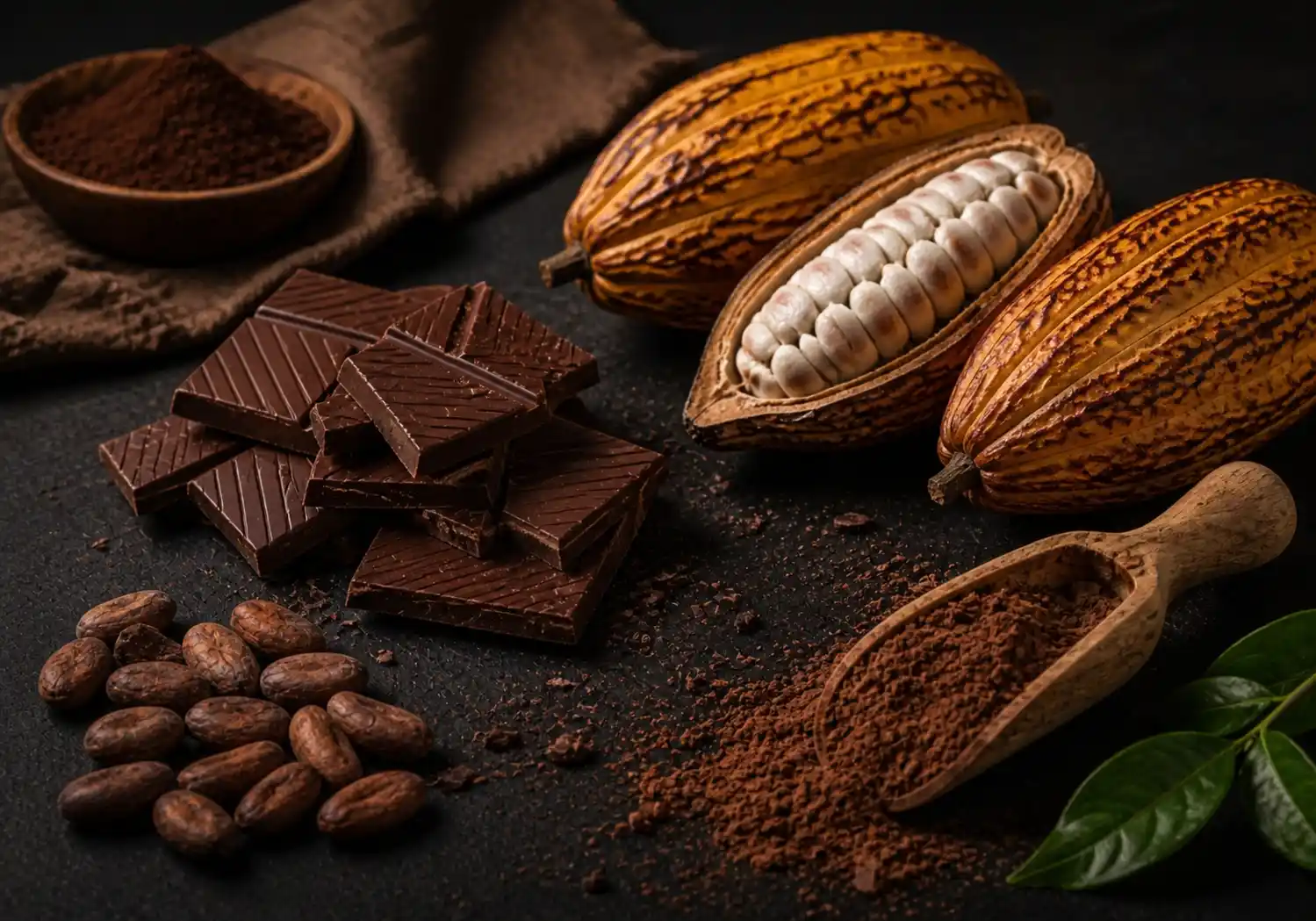
Dark chocolate is the purest in terms of its actual cocoa content. It typically contains between 60% and 100% cocoa, and the higher the percentage, the less sweet and complex the flavor. The truth is, many chocolate lovers take time to truly appreciate dark chocolate—but once they do, they don't easily switch to anything else.
Milk chocolate comes in second in popularity and is a favorite among children and those seeking a milder, sweeter taste. It's made with milk powder or condensed milk, giving it a smooth texture and distinctive flavor. White chocolate, on the other hand, is always the more controversial type—it contains no cocoa solids, only cocoa butter, sugar, and milk, making it fundamentally different in both its culinary experience and nutritional value.
What's noteworthy here is the emergence of new varieties in recent years, most notably ruby chocolate, with its natural pink color extracted from special cocoa beans without any added dyes. These new varieties are reshaping the landscape of the finest chocolates and expanding the taste horizons of the discerning consumer.
Swiss chocolate vs. Belgian chocolate: Which is better?
This question always arises for serious chocolate lovers, and there's no single answer—but there are real differences worth understanding.
Swiss chocolate has historically been renowned for its exceptional smoothness, a result of the long conching process—a process of grinding and stirring the chocolate mass for many hours until it achieves an unparalleled silky texture. Brands like Lindt and Toblerone emerged from this tradition, establishing a lasting image of Swiss quality.
Belgian chocolate, for its part, focuses more on variety and craftsmanship. The Belgians have elevated the making of pralines and filled chocolates to a true art form, paying more attention to the origin of the cocoa beans and their unique flavor profiles than to texture alone. In fact, Belgian chocolate factories adhere to strict standards that prohibit the use of cocoa butter substitutes—a factor that gives the final product a depth often lacking in cheaper alternatives.
Do you choose Swiss for smoothness or Belgian for depth and variety? The answer depends on what you're looking for. Those who want a chocolate that melts slowly on the tongue might gravitate towards Swiss, while those seeking complex flavors and diverse fillings will find what they're looking for in Belgian chocolate.
.webp)
Criteria for selecting the best types of chocolate
- Cocoa content: Read the label carefully—the higher the percentage in dark chocolate, the higher the quality and the lower the sugar content.
- First ingredients on the list: should be cocoa mass or cocoa butter, not sugar.
- Absence of palm oil or vegetable fats: their presence is a clear indicator of low quality and an attempt to cut costs.
- Cocoa origin: Cocoa beans from Ecuador, Ghana, and Madagascar provide distinctive and globally recognized flavors.
- Quality and origin certifications: Marks such as UTZ, Rainforest Alliance, or the Original Cocoa Certificate indicate that the product has undergone proper quality control.
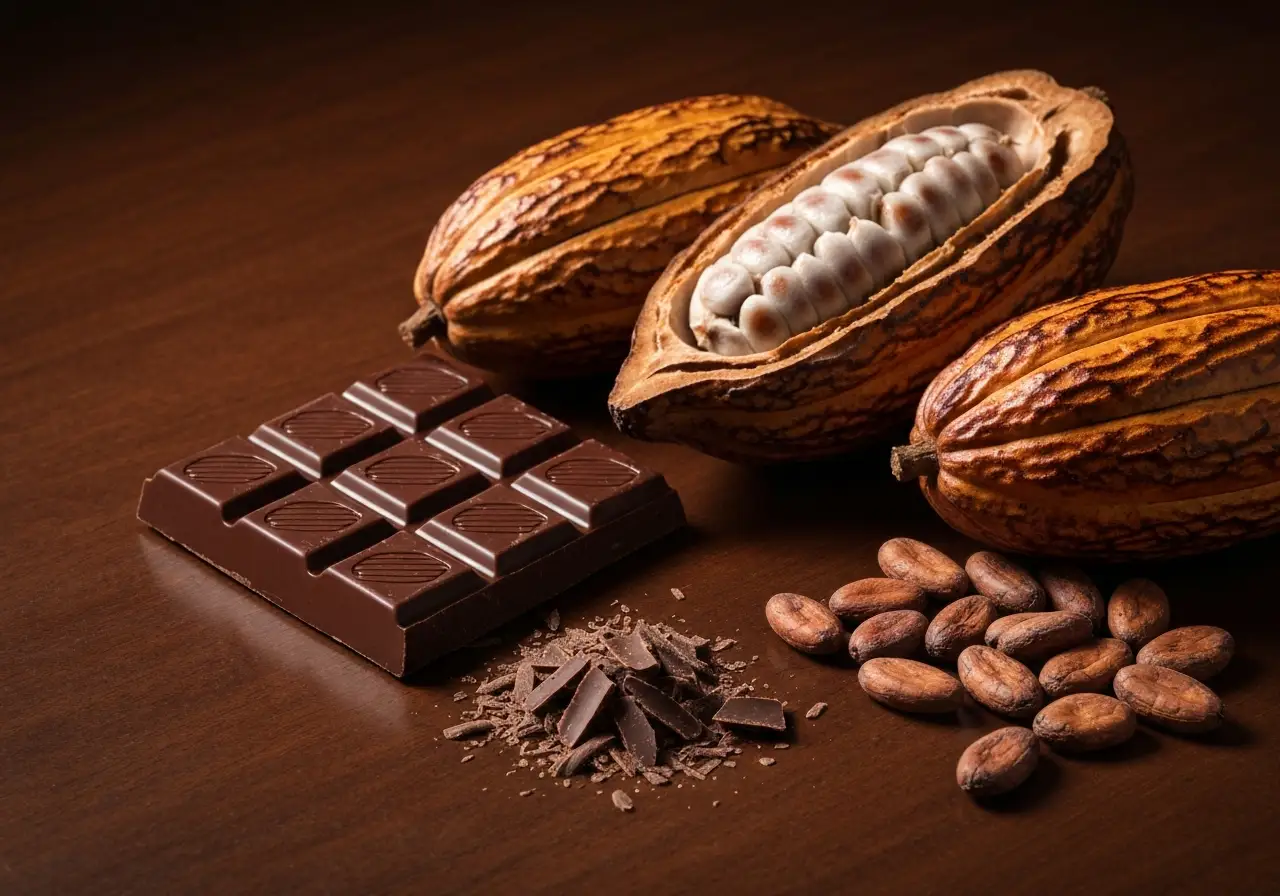
- Texture and Appearance: Good chocolate is shiny, firm, and breaks with a clean, crisp sound.
- Cocoa Aroma: Open the box and smell it—real cocoa has a rich, distinctive, and unmistakable aroma.
- Production Date: Good chocolate has a reasonable shelf life—an excessively long shelf life often indicates artificial preservatives.
All these factors combined make the real difference between what's worth the price and what's not.
Benefits of chocolate
- Mood enhancement: Dark chocolate contains compounds that stimulate the release of serotonin and endorphins in the brain, providing a genuine feeling of well-being.
- Cardiovascular health support: The flavonoids in cocoa help improve blood vessel elasticity and moderately lower blood pressure.
- Antioxidant properties: Cocoa is rich in antioxidants that fight free radicals and slow down cellular aging damage.
- Improved focus and mental performance: The caffeine and theobromine in cocoa increase alertness and enhance the ability to concentrate for short periods.
- Support for gut health: The fiber in cocoa nourishes beneficial bacteria in the digestive system.
- Improved iron and magnesium levels: Dark chocolate contains important minerals that many people are deficient in.
These benefits are primarily associated with dark chocolate with a high cocoa content, and not with all so-called chocolate on store shelves.
Uses of chocolate
- Eating it directly: The simplest and most enjoyable experience—one piece is enough.
- Pastry and confectionery: Cakes, brownies, and tarts rely on chocolate as a primary, not secondary, ingredient.
- Fondant and dips: Melting chocolate with cream to create a sauce for fruit or biscuits.
- Hot drinks: Cocoa and hot chocolate are among the most comforting uses in winter.
- Decoration and garnish: In professional kitchens, chocolate is used to create decorations and arrangements that enhance the presentation.
- Cream and ganache making: Chocolate and cream mixtures are used to fill and cover cakes with a smooth, glossy layer.
- Luxury gifts: Boxes of premium chocolates have become elegant gifts for social and formal occasions.
.webp)
Common mistakes when buying chocolate
The first mistake most people make is relying solely on price as a measure of quality. While it's true that good chocolate is rarely cheap, a high price alone guarantees nothing. Some brands prioritize image over product quality, and savvy consumers learn to read ingredients rather than just the price tag.
The second mistake, and the most common when buying for special occasions, is choosing chocolate based on packaging rather than the quality of the contents. A beautifully packaged box containing chocolates loaded with vegetable oils and excess sugar isn't a sophisticated gift—it's merely pretty wrapping. What's striking is that many popular gift brands fall into this very trap.
Many people also make mistakes in how they store chocolate. Chocolate doesn't necessarily need to be refrigerated—frequent temperature changes cause a white film to form on its surface, known as "bloom." While not harmful to health, it does affect the texture and taste. The ideal storage place is a cool, dry spot away from humidity and direct sunlight.
In fact, the most serious mistake of all is buying chocolate from unknown sources without verifying the import and official distribution channels. Luxury products require a proper cold chain and storage system to maintain their quality from the factory to your hands.
TBA's role in providing the finest chocolates
Top Arab Brands Company doesn't treat chocolate as just another product on its shelves. As part of its specialized business in importing and distributing luxury food products, the company sets strict standards for selecting the brands it represents and pays particular attention to the storage and transportation chain, which maintains product quality from the moment it leaves the factory until it reaches the consumer.
The truth is that the luxury chocolate sector in the Arab region needs a distributor who understands the subtle differences between products, not just a conduit for goods. Top Arab brands have built direct relationships with trusted sources in Europe, enabling them to offer authentic products with guaranteed quality, far removed from imitations or the dumping of goods that distorts the market.
Anyone looking for the best types of chocolate for their restaurant, shop, or even for a sophisticated personal occasion will find in Qimmat Al Arabiya Company a reliable reference that combines practical experience and direct access to the best that international chocolate factories produce.
The key difference lies in the percentage of cocoa and the milk content. Dark chocolate contains between 50% and 100% cocoa and is almost entirely milk-free, giving it a rich, deep flavor with a subtle, intentional bitterness. Milk chocolate, on the other hand, incorporates milk in its various forms, making it lighter, sweeter, and easier on the palate for those unfamiliar with dark chocolate. The nutritional difference is also clear—dark chocolate is richer in antioxidants and generally lower in sugars.
This question sparks a real debate among food experts. Technically, white chocolate doesn't contain cocoa solids—the part that gives chocolate its brown color, distinctive flavor, and beneficial compounds. It consists primarily of cocoa butter, sugar, and milk. Some international standards bodies don't recognize it as chocolate in the full sense, while others accept it because it uses real cocoa butter. Ultimately, if it pleases you and satisfies your cravings, it certainly belongs in the chocolate family.
The most important rule for storing chocolate is to avoid temperature fluctuations. Refrigeration isn't always the best option, as the humidity and temperature changes from taking the chocolate out and putting it back in can cause a dull layer to form on the surface. It's best to store it in a cool, consistently warm place between 15 and 18 degrees Celsius, away from direct light and strong odors—as chocolate readily absorbs surrounding smells. If you must refrigerate it, place it in an airtight container and remove it slowly to acclimate to room temperature.
