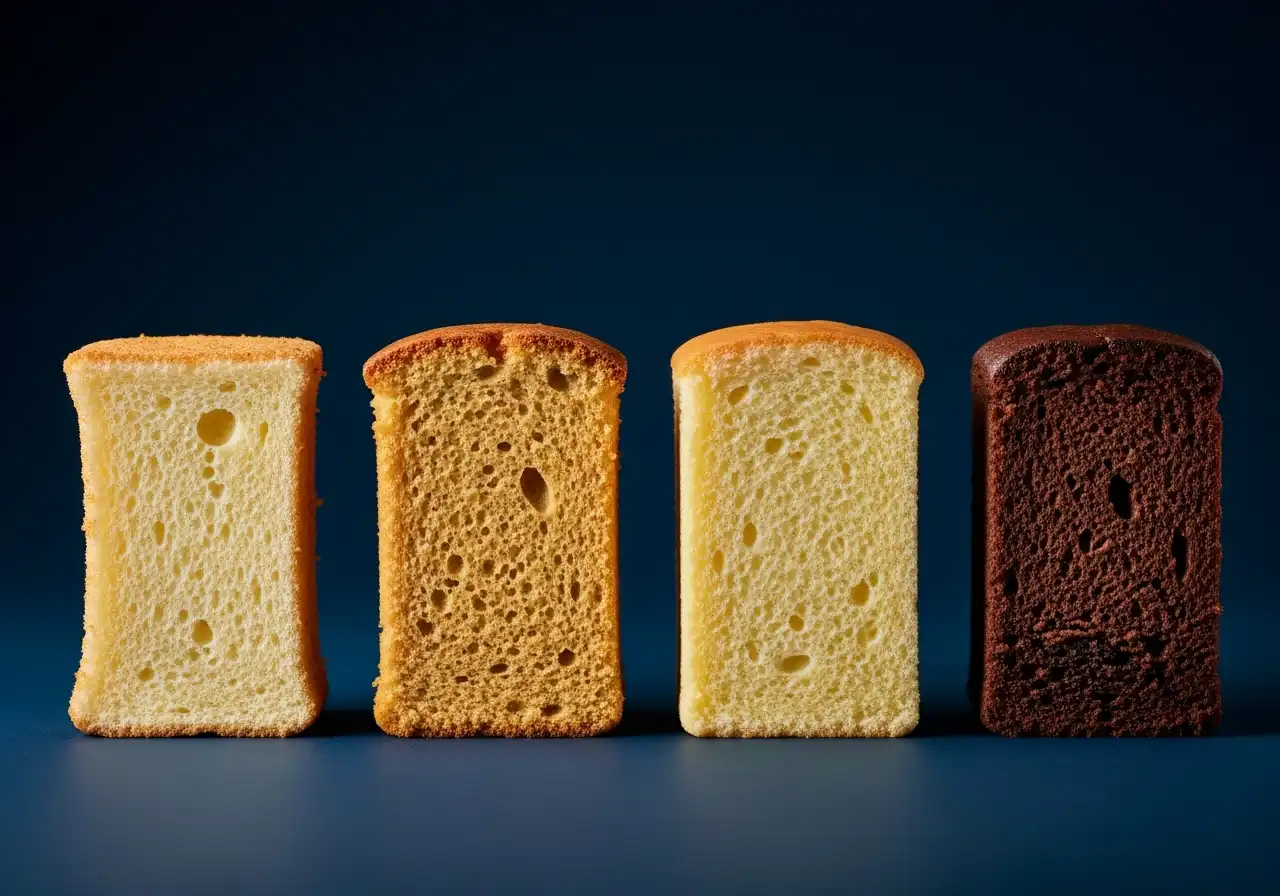
Many people ask about the differences between various types of cakes as if it were a simple question, but the real answer is much more complex than it seems. Cake isn't just a sweetened batter that goes into the oven; it's a science based on the balance of ingredients, and every small change in the method or materials produces a completely different type in terms of texture, taste, and appearance.
Qimmat Al-Markat Al-Arabiya Company, specializing in importing and distributing food products, deals daily with the ingredients for different types of cakes, from baking powders to flavor extracts and chocolate raw materials. This direct interaction with the products gives us real, practical insight into what makes the difference between one type and another.
What is the difference between the different types of cake?
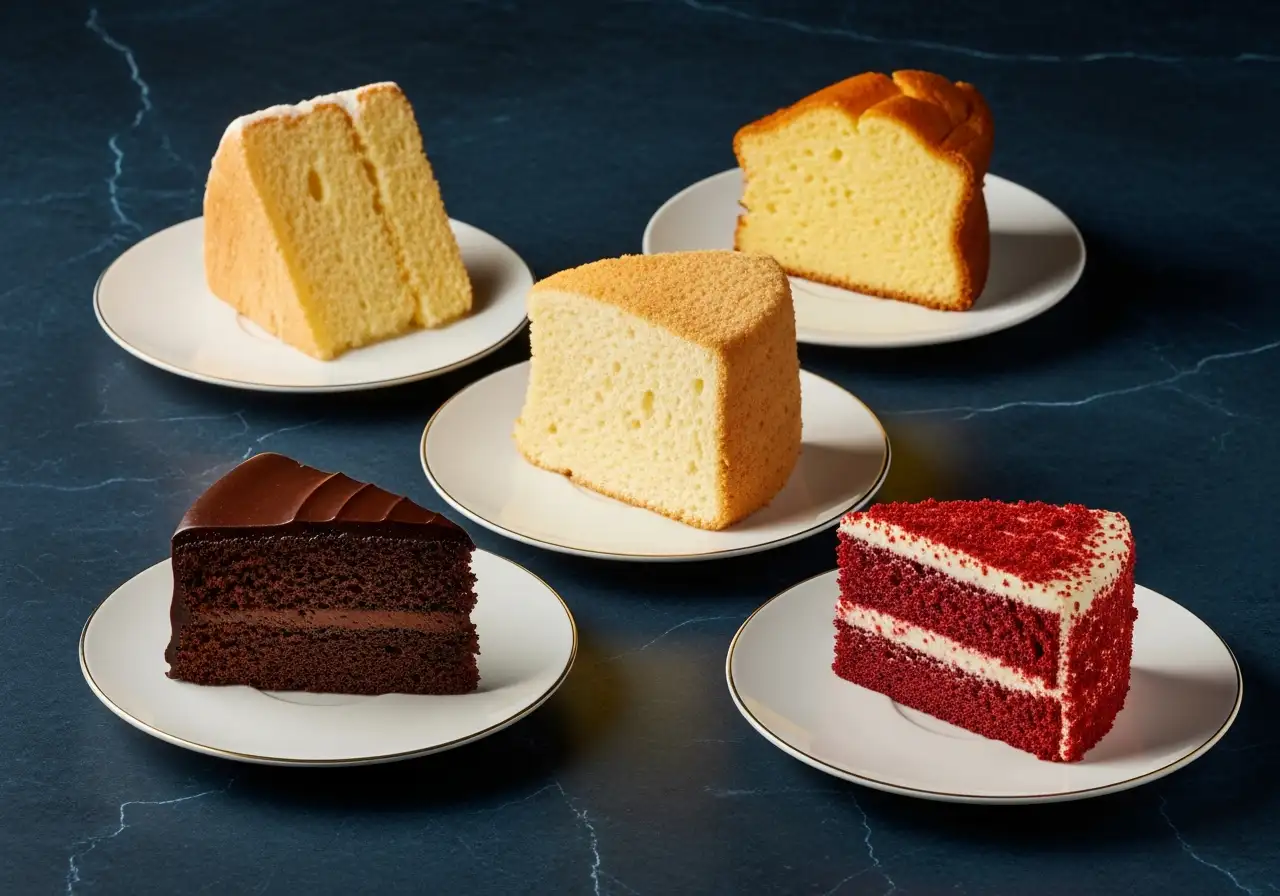
Before discussing the differences between various types of cakes, it is helpful to have a clear picture of the most prominent types of cakes that actually exist in the world of sweets:
- Sponge cake: Its light and airy texture relies on the air trapped in the beaten eggs rather than heavy fats, and it forms the basis of many sophisticated desserts.
- Butter cake: The most common in Arab cuisines, it has a thick, rich texture and a creamy flavor, relying on generous amounts of butter and sugar.
- Chocolate cake: It comes in many varieties, as we will see, but it all shares the common characteristic of using cocoa or dark chocolate as an essential and indispensable ingredient.
- Red Velvet Cake: A distinctive cake flavor that combines light cocoa and buttermilk tang with an attractive red color, always crowned with cream cheese frosting.
- Chimney Cake: A popular dessert of European origin, its sweetened batter is rolled around a cylinder and baked slowly, then seasoned with sugar and sometimes cinnamon or chocolate.
- Cheesecake: Despite its name, many don't consider it a "cake" in the traditional sense, but it's among the most famous cakes worldwide, based on cottage cheese or cream cheese.
- Molten chocolate cake or laba: Its center is made of melted hot chocolate, and it's served straight from the oven to maintain its unique texture.
- Angel food cake: Its name reflects its nature; it's pure white and feather-light, made with only egg whites and no added fat.
Each of these cakes represents a different philosophy in baking and tasting.
.webp)
The difference between sponge cake and regular cake
The truth is that distinguishing between sponge cake and "regular cake" confuses many people, as most assume any soft cake is a sponge cake. The fundamental difference lies in the method, not just the ingredients.
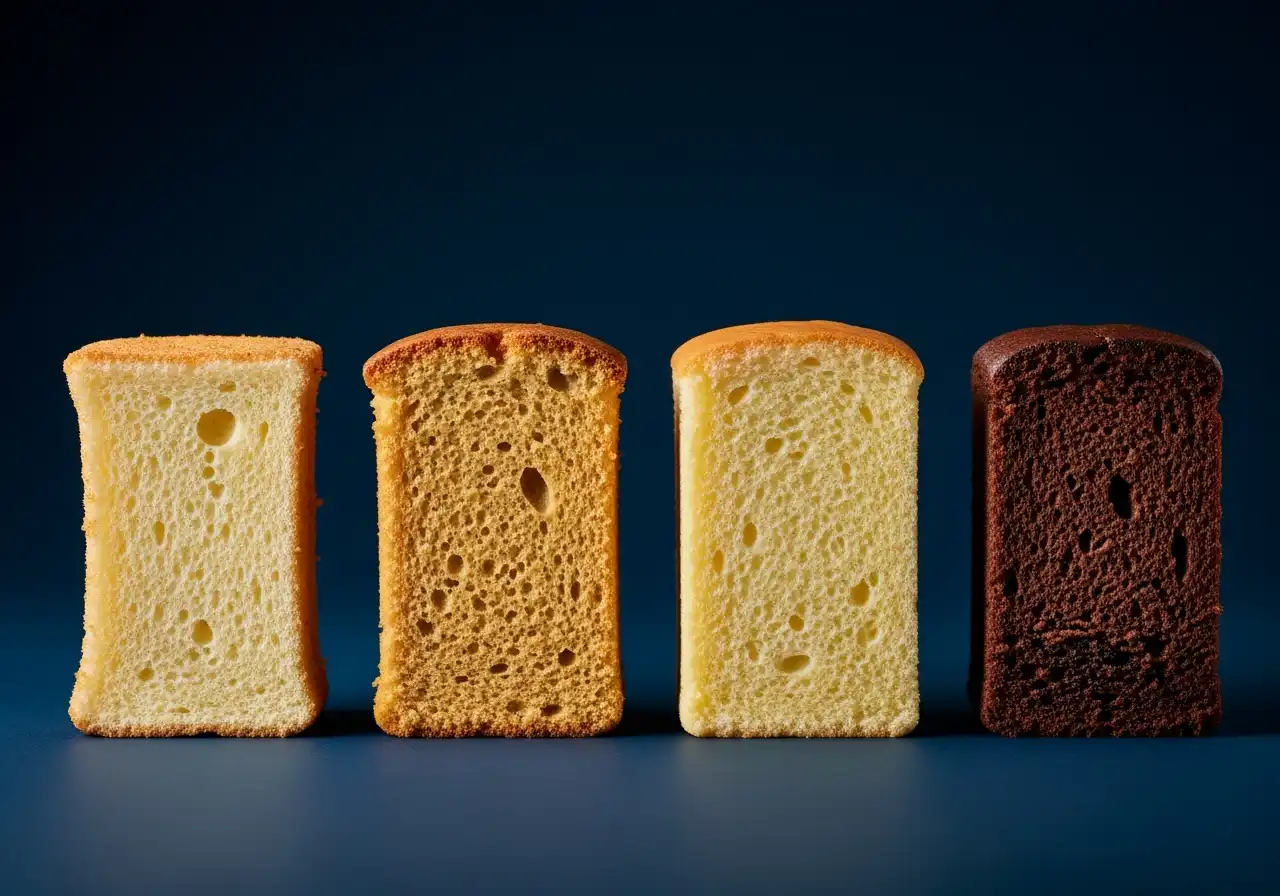
Sponge cake relies on a technique of whipping the whole egg or the egg whites separately until a thick, airy foam forms. This air is what causes the batter to rise during baking, giving it that light yet airy texture. If butter is used, it is added in very small quantities or not at all, which makes it lighter on the stomach.
Butter cake, often called "regular cake," relies on lengthening the butter and sugar mixture to allow air to be incorporated through the fat molecules. This results in a denser texture and richer flavor, while also keeping the cake longer and filling it more quickly.
It's worth noting that sponge cake absorbs creams and syrups better, making it a popular base for trifle cups and layered cakes. Butter cake is more stable when shaped and decorated with fondant or heavy cream. Each has its proper place, and mixing them incorrectly will ruin the final result.
Chocolate cake and its different varieties
Some people think chocolate cake is just one type, but in reality, it's a wide variety with truly diverse flavors, varying in depth, bitterness, and texture.
Dark chocolate cake relies on a high cocoa content, giving it a strong and concentrated flavor. It's a favorite among those who appreciate a truly authentic cake taste, undiluted by artificial sweetness. In contrast, milk chocolate cake tends to be more intensely sweet with a milder flavor, making it more suitable for children and festive occasions.
One type that deserves special mention is German chocolate cake. The name doesn't refer to Germany, but rather to a man named Sam German who created a unique type of pre-sweetened chocolate. The texture is incredibly moist, and the flavor is complex thanks to the layers of coconut and caramel interwoven throughout.
Chocolate velvet cake is another option, considered by many to be the most delicious cake because the cocoa doesn't overpower it, instead creating a smooth, rich background. Qimmat Al-Markat Al-Arabiya imports a variety of high-quality cocoa powders and chocolate products, and this diversity of sources directly translates into a wide range of final baking results.
How to choose the right type of cake
Have you ever considered that the question "Which cake should I make?" has a clear, logical answer and isn't just a matter of personal taste? The right choice starts with understanding the occasion.
If you're making a birthday cake that requires elaborate frosting or fondant, buttercream is the ideal base because it's sturdy and won't collapse. However, if you're making a light, everyday dessert to serve with tea or coffee, without any special occasion, a simple sponge cake or a cold cheesecake will do the trick perfectly.
Modern celebratory occasions are increasingly favoring chimney cake, as it's served warm, visually appealing, and the flavor can be easily customized with vanilla, chocolate, or caramel. People often overlook the fact that time is also a factor in cake selection; some cakes require several hours of chilling before serving, while others are best served immediately.
Consider your audience as well. Dark chocolate cake might not be suitable for young children who prefer something overtly sweet. And a sponge cake filled with cream might not hold up well in high temperatures. These small details are what make the difference between a successful cake and one that disappoints.
Which type of cake is best for you?
There's no single answer to this question, and the truth is, anyone who claims there's a "best cake for everyone" doesn't really know cake. Preference is partly personal, but there are objective factors that can guide the choice.
For those seeking a light texture and a melt-in-the-mouth feel, sponge cake or angel food cake are the perfect choice. For those wanting a unique visual experience and a memorable treat associated with a special occasion, Chimney cake creates an unforgettable moment with its distinctive round shape and warm aroma. And for those who appreciate depth and richness of flavor without being overly sweet, dark chocolate cake delivers just that.
True skill lies not only in knowing the differences between various types of cakes, but also in applying that understanding to specific situations. Reaching this level requires experience in experimentation and high-quality ingredients. Qimmat Al-Markat Al-Arabiya, a company specializing in importing and distributing food products, understands that different types of cakes require ingredients of varying quality and origin, and this is what it strives to provide to its clients, including bakeries, restaurants, and individuals.
The fundamental difference lies in the source of the lightness and rise of the batter. Sponge cake relies on the air trapped in the intensively beaten eggs, giving it a light, airy texture and large pores that easily absorb creams. Butter cake, on the other hand, gets its rise from the process of combining butter and sugar and creating tiny air bubbles within the fat, resulting in a denser, richer flavor and making it more suitable for heavy frosting.
Chimney cake is a traditional dessert originating in Central Europe. Instead of being baked in a pan, its sweetened batter is rolled around a wooden or metal cylinder and baked over coals or in a rotisserie oven. The result is a hollow cylinder with a crispy exterior, sometimes filled with ice cream or cream. This is quite different from traditional cake, which is baked in a pan and does not have this crispy outer layer.
Start by identifying your target audience; children tend to prefer vanilla and milk chocolate cakes, while adults might appreciate more complex flavors like salted caramel or dark chocolate. Next, consider the nature of the occasion; large parties require cakes that can withstand decorating and transport, while smaller gatherings can accommodate more delicate and flavorful cakes that are best served immediately.
