.webp)
The food distribution business is one of the most stable and high-demand sectors in any economy, as food is not a luxury item but an indispensable necessity. Many entrepreneurs are drawn to this field, assuming it is easy to enter; however, success actually requires a deep understanding of the market and the logistical networks that drive it. Establishing a clear vision from the outset helps avoid many costly mistakes.
Arab Brands Summit Company operates in the food import and distribution sector, leveraging extensive experience that makes it a trusted authority for anyone looking to enter the industry or expand their existing operations. The company offers more than just products; it provides a partnership built on reliability and consistent supply. This article takes you on an informative, practical tour of the sector and all its intricacies.
The Importance of the Food Distribution Business
Demand for food neither ceases nor experiences the sudden declines seen in other sectors. This reality affords the food distribution business a structural advantage rarely found in other industries, as end consumers make purchases on a daily or weekly basis, ensuring a continuous flow of demand throughout the supply chain. In this context, the distributor occupies a pivotal position between the producer or importer on the one hand, and the merchant or retail outlet on the other.
What is truly striking is the high degree of operational flexibility in this sector; one can start on a limited scale and gradually expand the network without requiring a massive capital injection at every stage. Wholesale food distribution, in particular, enables the distributor to build a solid client base—comprising restaurants, hotels, and major retail chains—thereby securing steady income that is insulated from sharp seasonal fluctuations. While competition certainly exists, it does not eliminate the opportunity; those who possess a reliable distribution network are the ones who endure.
.webp)
Necessary equipment for the food distribution business
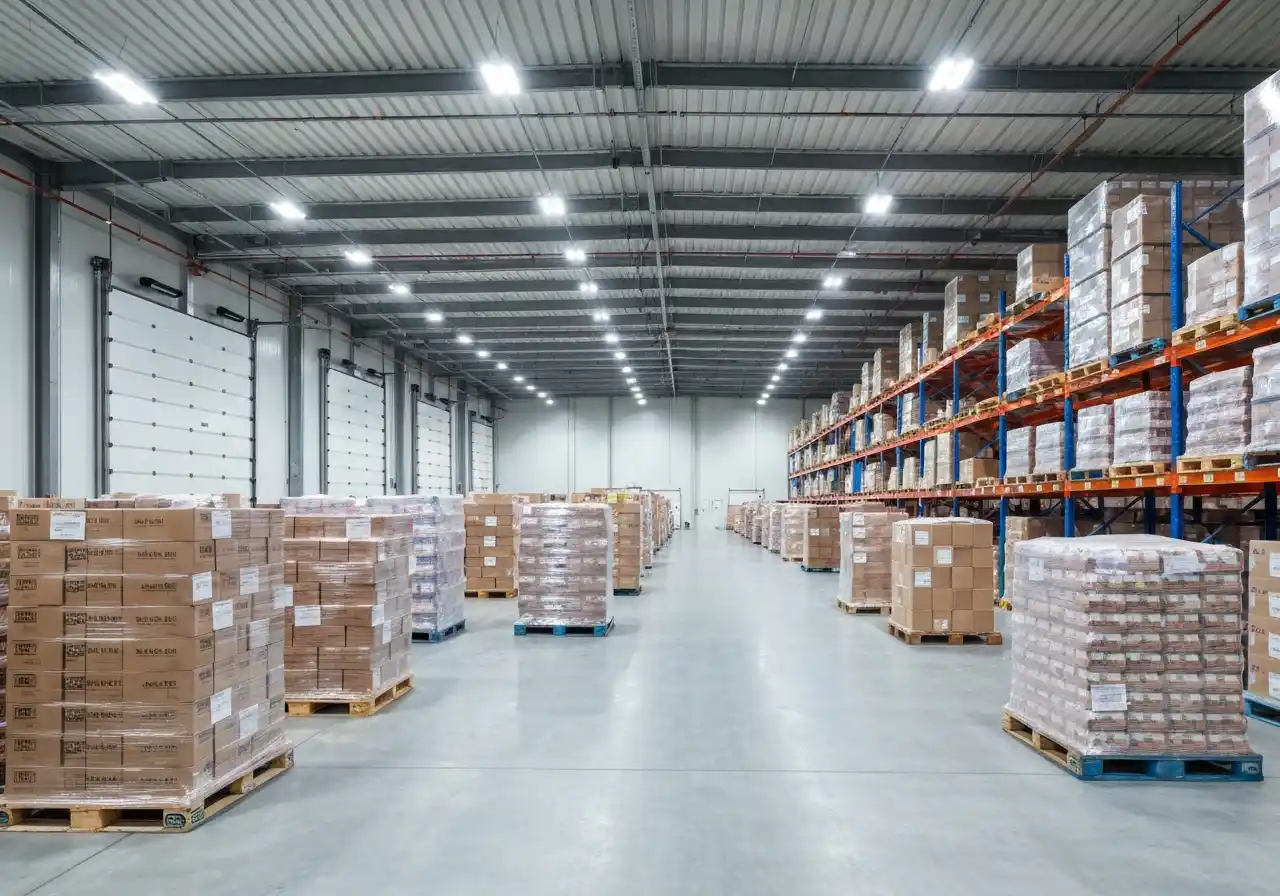
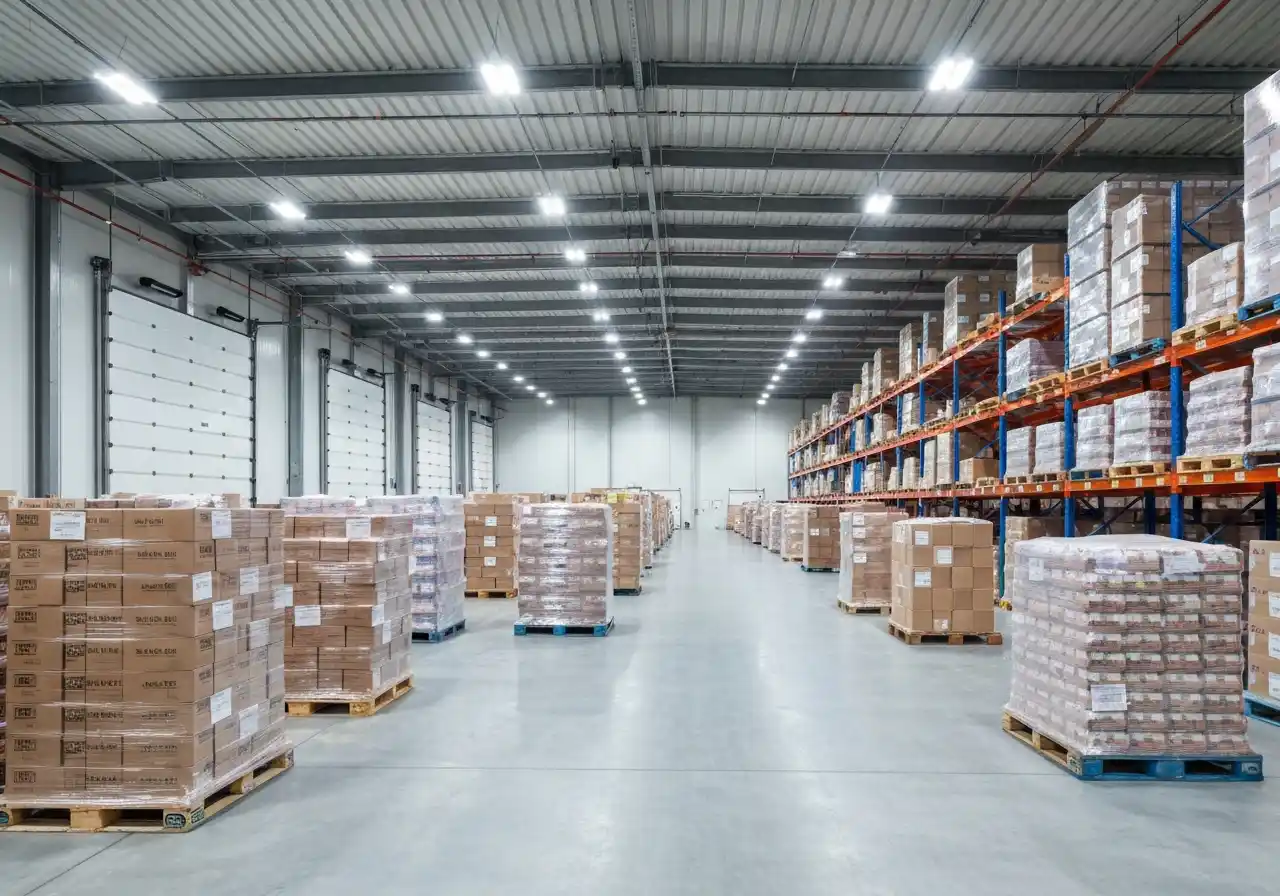
Before taking any practical steps, anyone wishing to enter this field must thoroughly study the local market: What products are in highest demand? Who are the current competitors? And where are the gaps that can be capitalized upon? Answering these questions is not a luxury, but a necessity. Next comes the operational step of securing a suitable warehouse that meets food safety requirements regarding refrigeration, ventilation, and moisture insulation.
A commercial license and health regulatory certifications are non-negotiable prerequisites; wholesale food distribution cannot be conducted without meeting the legal requirements mandated by the relevant authorities in each country. Furthermore, a distributor requires a suitable delivery fleet or must contract with a reliable logistics company capable of ensuring timely delivery while maintaining the goods in optimal condition. Today, digital systems for inventory management and order tracking have become essential components of any mature distribution operation, rather than mere technological luxuries.
Supplier relationships are built early on and require time to develop. Partnering with a well-established food company—such as Qimmat Al-Marakat Al-Arabia—provides an emerging distributor with a genuine advantage, as consistent supply and product quality directly influence end-customer satisfaction and the longevity of business relationships.
Advantages and Disadvantages of the Food Distribution Business
Every sector has two sides, and an objective perspective requires an understanding of both. In reality, those who enter this field with their eyes open to both its advantages and its challenges are better equipped to make the right decisions in difficult situations.
Features:
- Consistent, year-round demand, regardless of general economic conditions.
- Potential to secure long-term contracts with major clients, ensuring stable cash flow.
- Diverse distribution channels allow for gradual expansion from retail to large institutions and corporations.
- Food wholesale offers reasonable profit margins when operating at the right scale.
- The sector accommodates varying levels of capital, making it possible to enter the market on a smaller scale.
- Ability to leverage geographic diversity by importing products from multiple markets at competitive prices.
Drawbacks:
- Food products are highly perishable, necessitating strict requirements for storage, transportation, and periodic monitoring.
- Competition in popular product categories is fierce and can put pressure on profit margins.
- Delays in collecting payments from certain customers can disrupt operational liquidity.
- Fluctuations in exchange rates and customs duties can unexpectedly impact import costs.
- Licensing and food safety regulations are ongoing, requiring periodic updates and associated costs.
- Since a company's reputation is tied to product quality, any supply disruption immediately impacts consumer trust.
.webp)
Success factors for the food distribution business
After years of working in this sector, it has become evident that successful and enduring companies share specific factors that remain constant, regardless of changes in time or the market. These are not merely theoretical rules, but lessons drawn from actual fieldwork.
- Building a reliable supplier network: Relying on a single supplier creates a critical vulnerability. A successful distributor works with multiple suppliers—including specialized firms like Qimmat Al-Marakat Al-Arabia—ensuring business continuity even in the event of shipment delays or temporary shortages.
- Commitment to quality and food safety: While customers may tolerate minor delays, they will not accept defective or expired products. A rigorous, periodic product inspection system safeguards the brand’s reputation above all else.
- Smart inventory management: Excess inventory leads to losses with perishable goods, while shortages result in missed sales opportunities. Striking the right balance is an art mastered through experience and precise data.
- Exceptional customer service: Ultimately, wholesale food distribution is built on relationships. A merchant who finds a distributor that promptly answers calls and resolves issues is unlikely to consider switching suppliers.
- Adapting to market fluctuations: Demand shifts based on seasonal and cultural factors. A distributor who monitors consumer trends and regularly adjusts their product portfolio ensures continued relevance to their customers.
- Technical and digital infrastructure: An ERP system for managing orders, inventory, and invoicing minimizes human error and provides accurate data for decision-making. Such systems are no longer merely an option but an operational necessity.
- Ongoing regulatory compliance: Obtaining licenses and certifications from regulatory bodies is not a one-time task. Periodic monitoring and timely renewals protect the company from fines and forced operational shutdowns.
There is no one-size-fits-all answer, as the required capital varies depending on the target scope of operations, the type of products, and the size of the distribution area. A small local distribution venture might start with modest capital covering the lease and outfitting of a small warehouse and the procurement of an initial stock of goods. In contrast, regional distribution projects or partnerships with major companies require a larger investment, encompassing a vehicle fleet, management systems, and a specialized team. It is always best to start at a scale that can be managed efficiently and then expand gradually.
Yes, licensing requirements vary from country to country, yet they share a common core. Typically, a distributor requires a commercial registration, an operating permit from the relevant health authority, and a warehouse license that verifies compliance with food storage standards. Some countries also mandate training requirements for staff who handle food. Adhering to these requirements from the outset protects the business owner from potentially hefty fines later on.
The food distribution business relies fundamentally on the quality of the supplier. Key avenues for finding reliable suppliers include attending specialized food and beverage trade shows, contacting local chambers of commerce, and building relationships with specialized import companies that have a proven market track record. "Arab Brands Summit" (Qimmat Al-Marakat Al-Arabia) exemplifies a supplier that combines product diversity, consistent supply, and adherence to quality standards—qualities every serious distributor seeks.
