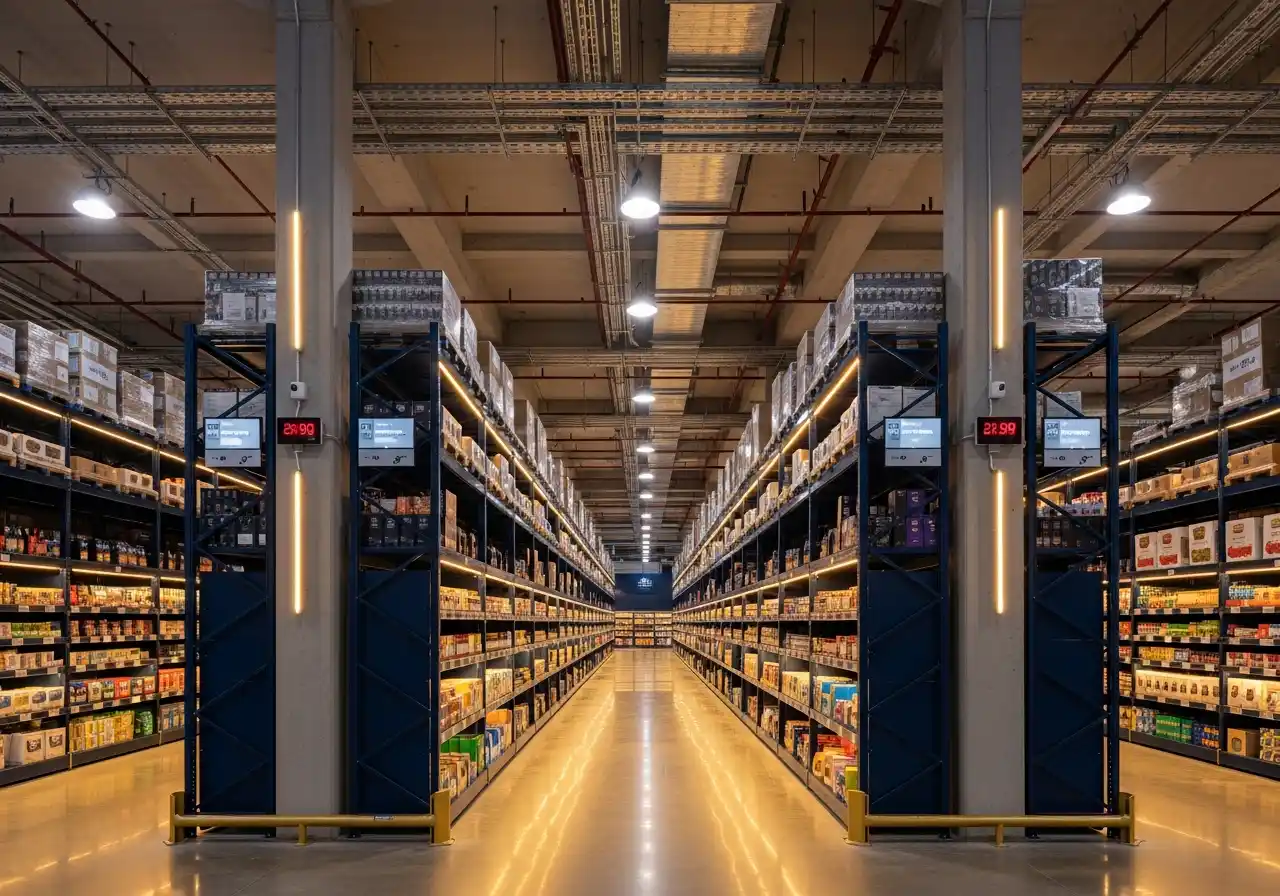
Anyone seriously sourcing bulk groceries knows that wholesale food prices can vary wildly depending on the supplier, the product category, and the time of year. Getting a grip on those variables is not just useful — it is the difference between a healthy margin and a costly mistake. Whether you are running a grocery store, managing a catering operation, or stocking a wholesale food warehouse, understanding how bulk pricing actually works puts you in a far stronger negotiating position.
Arabian Brands Summit has built its reputation specifically around the luxury food import and distribution sector, serving buyers across Saudi Arabia who demand both quality and pricing transparency. The company's model connects food products from premium international sources directly to local buyers, cutting unnecessary intermediary costs without ever compromising on the caliber of what arrives at your door. If you have been comparing suppliers and wondering where genuine value lives, the answer usually lies in the sourcing depth of the distributor.

Buying Food Products Online
The shift toward sourcing food products through digital channels has been one of the more significant changes in the wholesale trade over the past several years. What used to require physical visits to a wholesale food warehouse, hours of price negotiation, and mountains of paperwork can now be handled with a few well-placed inquiries through a trusted distributor's platform or direct sales channel. That convenience alone has reshaped how grocery stores and bulk buyers approach their procurement calendars.
Here's the thing, though — convenience should never come at the cost of verification. Buying bulk groceries online means you are trusting someone with significant inventory decisions, so the credibility of your supplier matters enormously. Arabian Brands Summit addresses this by maintaining full transparency across its luxury food import and distribution operations: product origins, certifications, shelf-life data, and pricing structures are all communicated clearly before any commitment is made.
What is interesting here is how the online procurement model also benefits smaller grocery stores that previously could not access the pricing tiers reserved for high-volume buyers. By consolidating orders and working through a sophisticated distribution network, even mid-sized buyers can access competitive wholesale food prices that were once out of reach. The playing field has genuinely leveled, but only for buyers who choose their digital sourcing partners wisely.

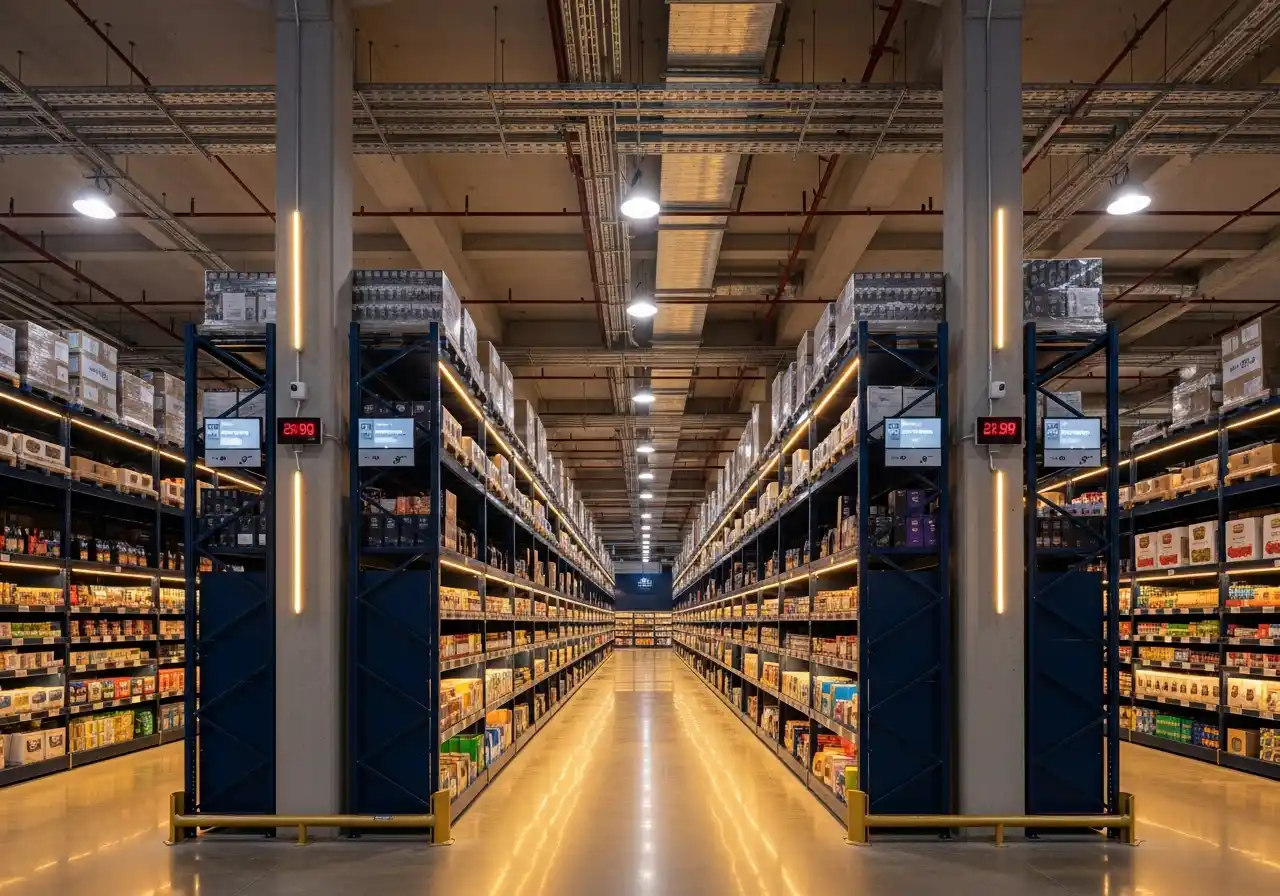
Secrets to Getting the Lowest Wholesale Food Prices on Bulk Groceries
- Consolidate your orders into fewer, larger shipments. Distributors reward volume, and splitting purchases across multiple smaller orders quietly erodes your per-unit advantage. Batch your procurement cycles and negotiate from a position of genuine scale.
- Build a long-term supplier relationship rather than chasing one-off deals. Arabian Brands Summit, for instance, offers better pricing structures to recurring buyers within its luxury food import and distribution network — because loyalty reduces administrative overhead on both sides.
- Time your bulk purchases around import cycles. Wholesale food prices are often softer immediately after a major shipment arrives at the warehouse. Coordinating your orders with your supplier's restocking schedule can yield meaningful savings.
- Request itemized pricing breakdowns, not just headline quotes. Hidden logistics fees, handling charges, and customs markups can inflate the apparent bargain. Reputable suppliers in the food products space will provide full cost transparency without hesitation.
- Leverage category bundling across food product lines. Rather than sourcing each category from a different vendor, consolidating your grocery product purchases with a single wholesale food warehouse operator often unlocks tiered pricing across the board.
- Negotiate payment terms as part of the price discussion. Extended payment windows or early settlement discounts are real levers that affect your effective cost per unit — do not leave them out of the conversation.
- Stay informed about currency and import fluctuations. For luxury food import and distribution specifically, exchange rate movements and import duty changes can shift landed costs significantly. Working with a distributor who tracks these proactively gives you early warning before price adjustments hit.
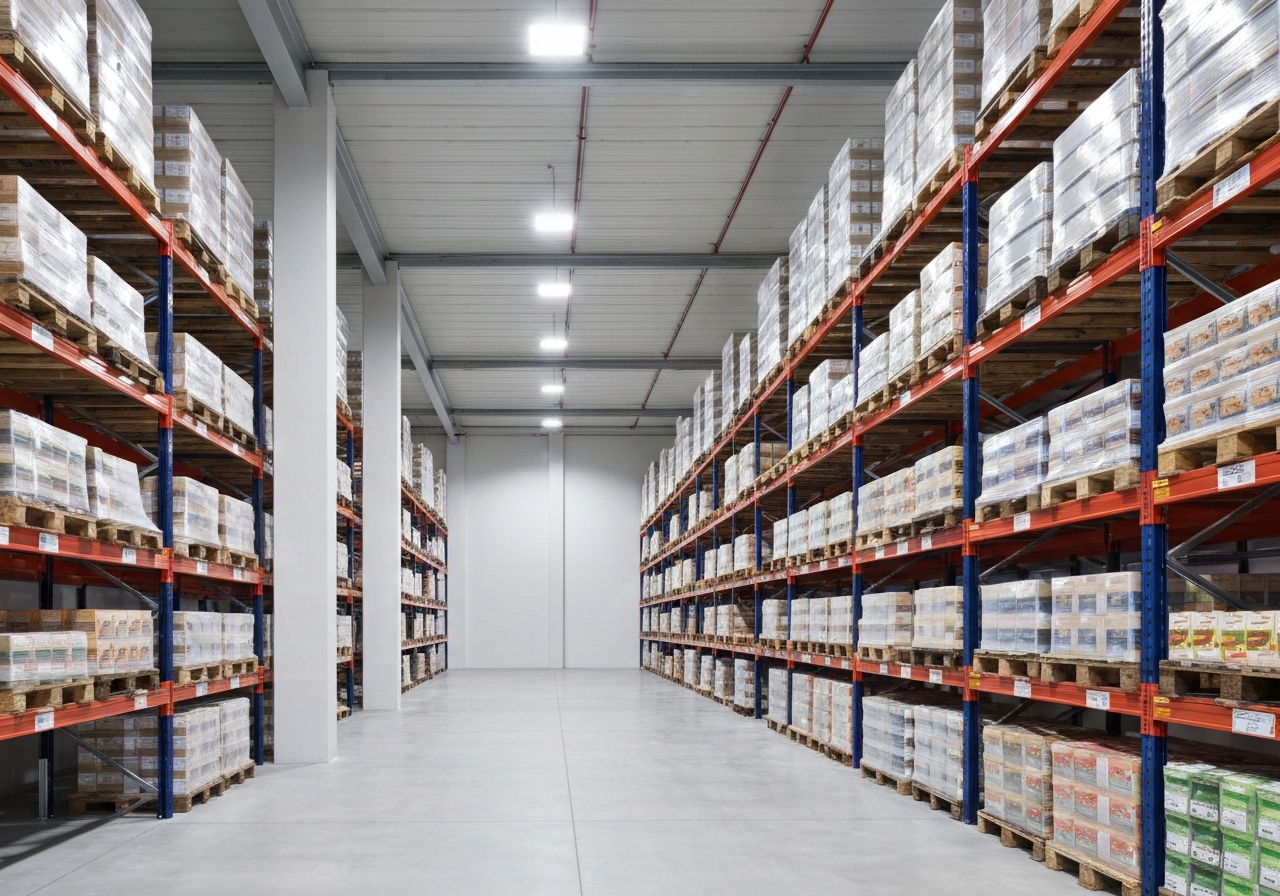
Key Factors to Consider Before Buying Bulk Groceries
- Product certification and compliance — Ensure all food products carry the relevant halal, health, and import certifications required in Saudi Arabia before placing any bulk order.
- Cold chain capability — For perishable or temperature-sensitive items, verify that your supplier's wholesale food warehouse operates a certified cold chain from origin to delivery.
- Shelf life relative to your sales velocity — Bulk pricing means nothing if product expiration outpaces your throughput. Always align order quantities with your realistic turnover rates.
- Supplier financial stability — A distributor experiencing cash flow issues may cut corners on logistics or product quality. Arabian Brands Summit's established position in the luxury food import and distribution sector is a reliable indicator of operational stability.
- Return and dispute resolution policies — Reputable food products distributors will have documented processes for handling damaged goods, short shipments, or quality discrepancies.
- Geographic delivery coverage — Confirm the distributor can reach your location consistently, not just for the first order. Grocery stores in secondary cities often face inconsistent delivery from suppliers who prioritize major urban centers.
- Minimum order flexibility — Some wholesale food prices are only accessible above certain volume thresholds. Clarify these tiers upfront so your procurement plan is built on realistic numbers.
Tips for Buying Bulk Groceries
Most people overlook the planning phase entirely and dive straight into price comparisons. That instinct is understandable, but it leads to poor decisions. Before you compare a single wholesale food price, map out your actual consumption data — what categories you move fastest, which food products carry the highest margin, and where you consistently face stockouts. That analysis turns a vague price inquiry into a precise sourcing brief, and serious distributors like Arabian Brands Summit respond very differently to buyers who arrive with specificity.
Relationship-building with your distributor is not just a soft concept — it has hard commercial implications. When you are a known, reliable buyer within a luxury food import and distribution network, you get early access to new product lines, priority allocation during supply crunches, and the kind of proactive communication that prevents expensive surprises. The buyers who struggle are usually the ones who treat every transaction as isolated, never investing in the supplier relationship between orders.
Finally, revisit your bulk purchasing strategy at least quarterly. Wholesale food prices shift, import conditions evolve, and your own sales mix changes. What was the optimal order structure six months ago may leave margin on the table today. A good wholesale food warehouse partner will flag those opportunities proactively — but you need to be in the conversation regularly enough to hear them.
.webp)

Choosing a Reliable Food Product Supplier in Saudi Arabia
The Saudi market for food products has matured considerably, and with that maturity comes both more choice and more risk. There are many entities positioning themselves as wholesale food distributors, but the distance between a credible operation and a poorly run one is enormous — and that gap shows up in product quality, delivery consistency, and the accuracy of the wholesale food prices you were quoted versus what actually appears on the invoice.
Arabian Brands Summit stands apart in this landscape through the depth of its luxury food import and distribution infrastructure. The company does not simply broker transactions between international producers and local buyers — it manages the entire supply chain, from sourcing premium food products at origin to final delivery at the wholesale food warehouse level and beyond. That vertical integration is what allows the company to offer pricing that genuinely reflects landed cost rather than inflated middleman margins.
For grocery stores and institutional buyers evaluating their options, the practical test is straightforward: ask potential suppliers for references, request to inspect their warehouse operations, and scrutinize their track record on delivery timelines. A distributor with genuine capability in the luxury food import and distribution space will have no hesitation in submitting to that scrutiny. Opacity, on the other hand, is almost always a signal worth taking seriously.
What separates long-term procurement success from a series of expensive lessons is the quality of the partnerships you build early. Arabian Brands Summit's consistent performance across Saudi Arabia's bulk grocery market reflects exactly the kind of operational rigor and sourcing expertise that serious buyers need on their side.