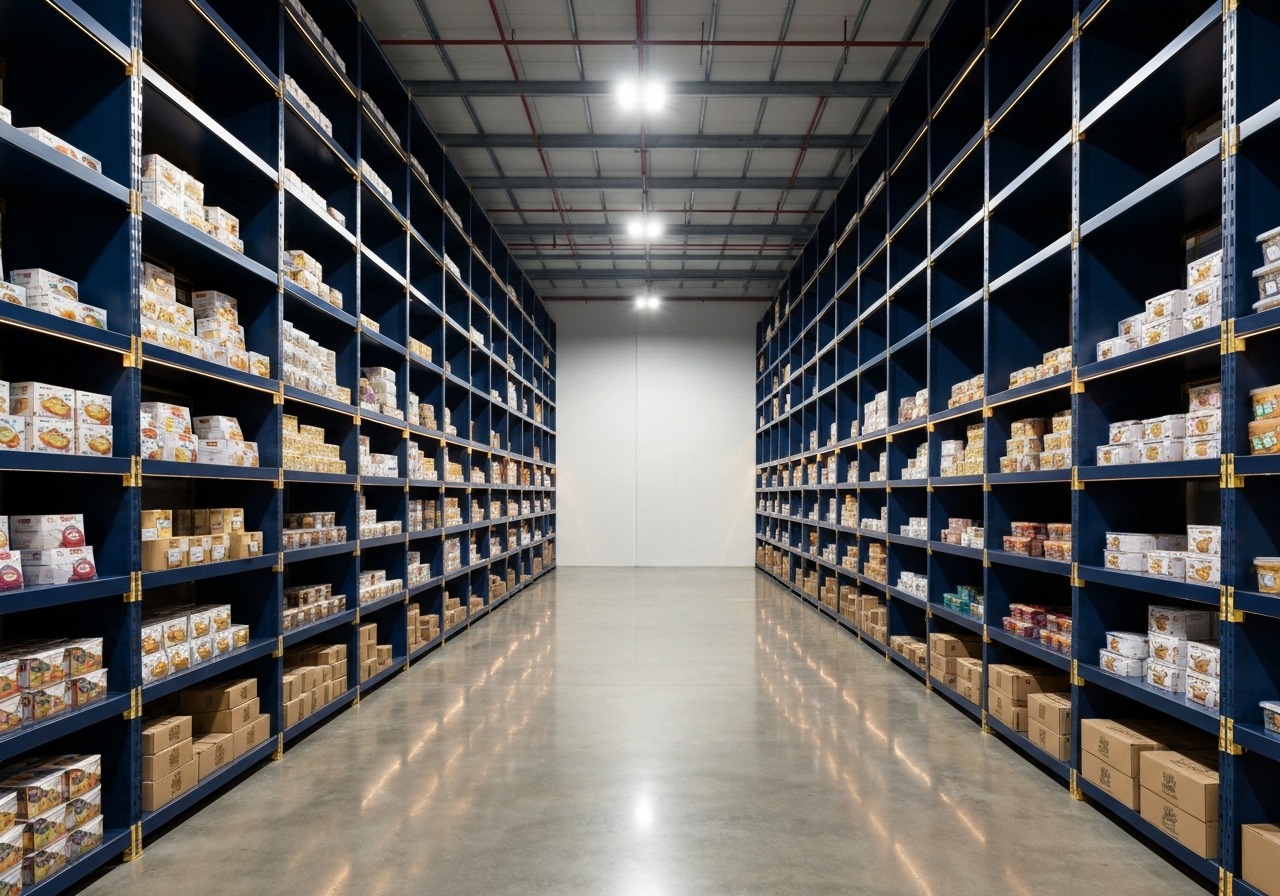
Running a food business without a dependable wholesale food warehouse behind you is like trying to fill a swimming pool with a garden hose — technically possible, but painfully inefficient. A properly structured wholesale food warehouse gives businesses access to large quantities of goods at competitive prices, reducing per-unit costs and stabilizing supply chains in ways that retail sourcing simply cannot match.
Arab Brands Peak Company has built its reputation precisely on solving this problem. Through its specialized food import and distribution service, the company connects retailers, restaurants, and institutional buyers with a steady, verified supply of bulk food goods — the kind of supply chain backbone that serious businesses depend on.
What Is a Wholesale Food Warehouse?
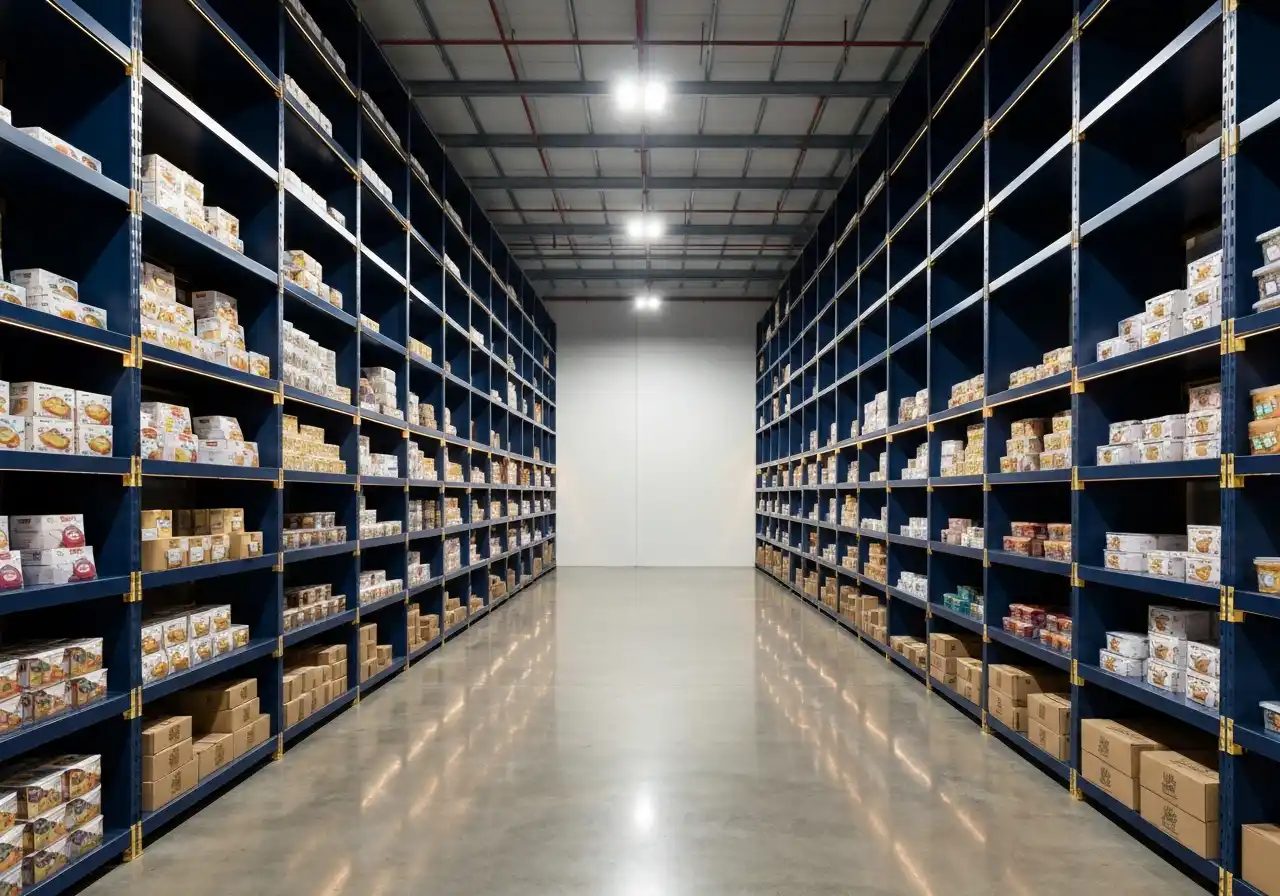
A wholesale food warehouse is a large-scale storage and distribution facility designed specifically to hold food products in bulk quantities before they reach the end consumer. Unlike a standard retail shelf, this type of warehouse operates at an entirely different scale — think pallets instead of packages, tons instead of kilograms, and logistics networks instead of shopping carts.
What makes this kind of facility genuinely valuable is the combination of volume and variety it can hold under one roof. Dry goods, canned products, frozen items, grains, oils, and packaged consumer foods can all exist within the same operation, managed under strict inventory and food safety protocols. The warehouse essentially acts as a reservoir — absorbing supply from manufacturers and importers, then releasing it in organized batches to buyers who need consistent access to wholesale food goods.
Here's the thing most people overlook: a wholesale food warehouse isn't just a storage room with bigger shelves. It requires real infrastructure — climate control systems, pest management, first-in-first-out inventory rotation, and trained staff who understand how perishable and semi-perishable categories behave differently over time. Arab Brands Peak Company invests heavily in exactly this kind of infrastructure, which is why its food warehouse operations maintain product integrity from the moment goods arrive to the moment they leave for distribution.
The Difference Between Wholesale and Retail
The distinction between wholesale and retail sounds simple on the surface, but the business implications run much deeper than just price per unit. Retail is built around the individual consumer — small quantities, high margins, and the expectation of immediate shelf availability. Wholesale food goods, by contrast, are structured around volume buyers who prioritize cost efficiency, reliable supply, and the ability to plan procurement weeks or months in advance.
When a supermarket chain, a restaurant group, or a food processing company buys through a wholesale channel, it is essentially purchasing predictability. The price per unit drops significantly when buying in bulk, but more importantly, the buyer gains the ability to lock in supply during periods of market volatility. That buffer matters enormously in the food sector, where raw material prices can shift suddenly based on harvest cycles, shipping disruptions, or regional demand spikes.
The wholesale distribution model that Arab Brands Peak Company operates through its food import and distribution service is designed with exactly these buyer needs in mind. Rather than selling a dozen units to hundreds of individual shoppers, the company moves bulk food products to a smaller number of large buyers — each transaction representing meaningful volume that justifies the infrastructure investment on both sides.
.webp)
The Role of Warehouses in Supporting Markets and Shops
Local markets and retail shops depend on wholesale food warehouses far more than most consumers realize. Every time a corner grocery restocks its rice or a restaurant takes delivery of its cooking oils, there is almost certainly a wholesale warehouse sitting somewhere upstream in that supply chain, having absorbed the product from an importer or manufacturer and redistributed it efficiently.
What's interesting here is how this intermediary role stabilizes the entire local food economy. Without a functioning wholesale food warehouse network, retailers would be forced to negotiate directly with manufacturers — a process that is both time-consuming and logistically complicated for businesses that lack dedicated procurement departments. The warehouse absorbs that complexity, acting as a single, organized source of bulk food products that shops can rely on.
Arab Brands Peak Company plays this role actively in the markets it serves. Its food import and distribution service doesn't just move product — it creates a consistent supply rhythm that local businesses can build their own operations around. Can your current supplier honestly say the same?
Methods of Preserving Food Products to Prevent Spoilage
- Temperature-controlled storage zones separate dry, chilled, and frozen goods, preventing cross-contamination and maintaining each product within its required temperature range at all times.
- First-in-first-out (FIFO) inventory rotation ensures that older stock always moves before newer arrivals, minimizing the risk of expiry date breaches across all wholesale food goods.
- Regular humidity monitoring within the warehouse protects dry bulk food products — grains, flour, sugar, and pulses — from moisture damage that can lead to clumping, mold, or early spoilage.
- Pest control programs including sealed entry points, scheduled inspections, and approved treatment protocols protect the integrity of stored food without introducing chemical contamination risks.
- Clearly labeled packaging and batch tracking systems allow warehouse staff to identify and quarantine any product showing quality concerns before it enters the distribution stream.
- Adequate aisle spacing and ventilation throughout the food warehouse prevent heat buildup in product stacking zones, a factor that significantly extends shelf stability in ambient-temperature sections.
Methods of Distributing Goods to Customers
- Direct delivery logistics, where the wholesale food warehouse dispatches its own fleet of vehicles to deliver bulk food products directly to buyer premises on an agreed schedule, reducing the buyer's need to manage inbound freight independently.
- Scheduled pickup arrangements that allow high-volume buyers to send their own transport to the warehouse, loading pre-assembled orders that have been picked, checked, and staged in advance for fast, accurate collection.
- Regional distribution hub routing, where the food import and distribution operation organizes deliveries through intermediate hubs, enabling efficient coverage of buyers spread across wide geographic areas without overextending direct delivery capacity.
- Order-ahead booking systems that allow buyers of wholesale food goods to place orders days or weeks in advance, giving the warehouse time to ensure adequate stock levels and prepare orders without rush handling fees.
- Emergency replenishment services for key accounts, providing accelerated order fulfillment to buyers who face unexpected demand surges — a service Arab Brands Peak Company offers to its established distribution clients as part of ongoing supply chain partnership.
