.webp)
Restaurant and shop owners often wonder: where do the massive quantities of food products filling the shelves every day actually come from? The answer always begins in one place—wholesale food warehouses. These facilities are the backbone of the food supply chain; without them, market activity would stall, and prices would rise sharply. A solid understanding of this sector offers a genuine advantage, whether you are a buyer or a distributor.
Qimmat Al-Marakat Al-Arabia (Arab Brands Summit), a company specializing in the import and distribution of food products, engages with every aspect of this system on a daily basis. The insights shared here are drawn from real-world market experience, not desk-bound theory. Our goal is for you to walk away from this article with a clear, actionable understanding.
What are the wholesale warehouses for food products?
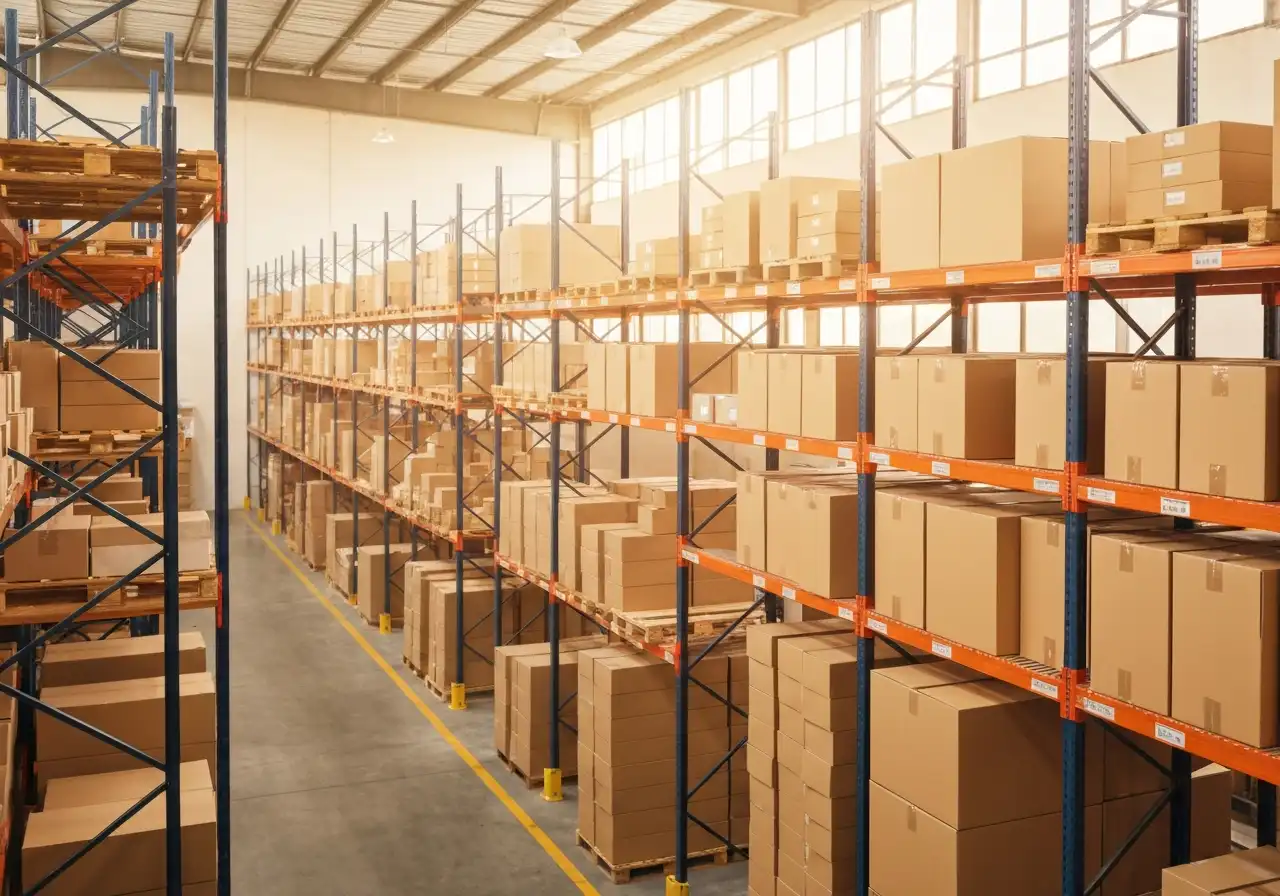
Wholesale food warehouses are large-scale storage facilities designed to receive substantial quantities of food products, whether from local manufacturers or through imports from international suppliers. Typically, these warehouses do not sell to individual consumers; instead, they deal with wholesalers, distributors, and business owners who require large volumes at prices below retail rates. This highlights the fundamental difference between the wholesale and retail models.
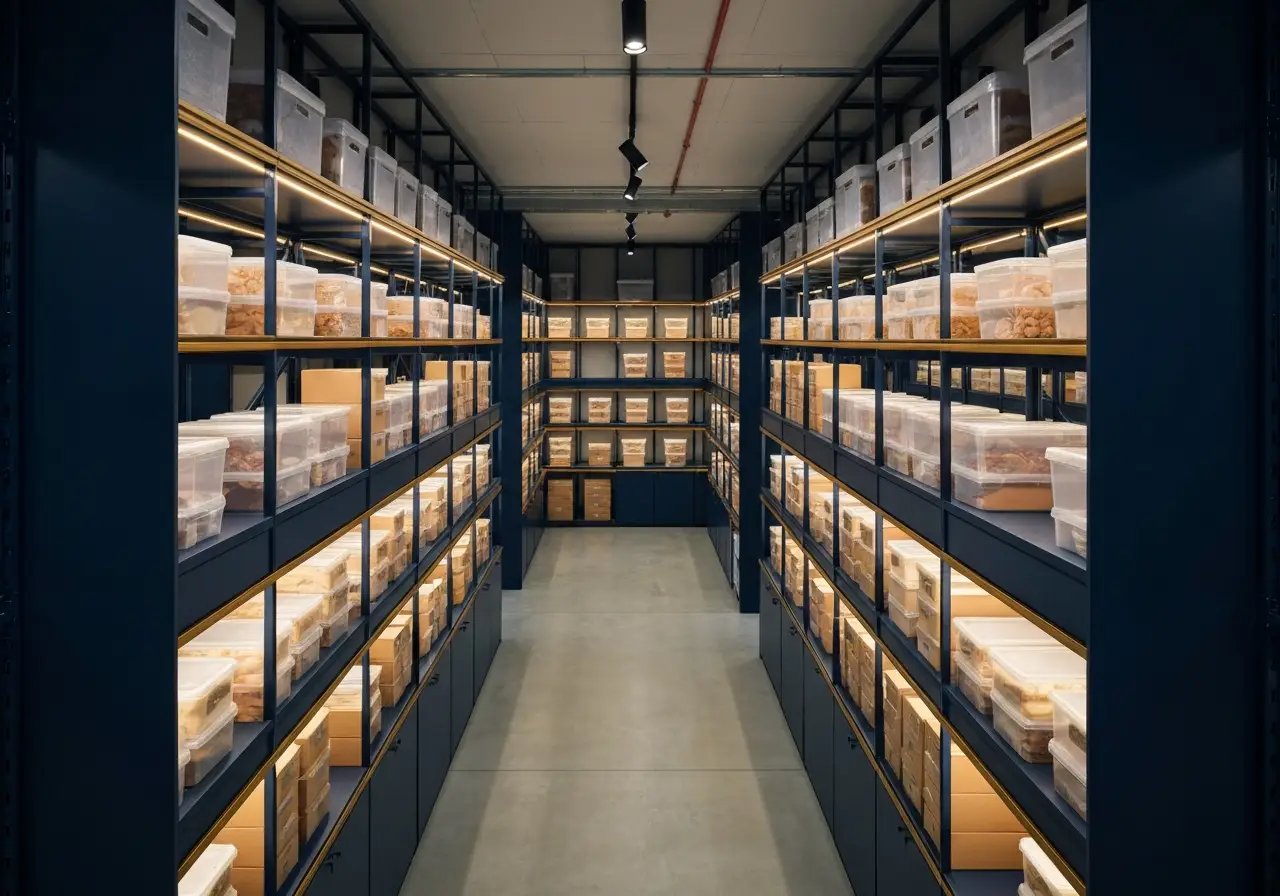
What is truly remarkable is that these facilities are far more than mere warehouses; they are comprehensive logistics hubs. They feature refrigerated sections for fresh and frozen products, dry storage areas for canned goods and grains, and precise tracking systems to ensure the safety of every item. Operating a facility of this caliber demands high efficiency and deep expertise regarding the nature of food products and their specific storage requirements.
Ultimately, a warehouse's efficiency is not defined by its size alone. The distinction between a successful operation and a struggling one lies in the quality of inventory management, the ability to ensure timely delivery, and a steadfast commitment to quality and food safety standards. These standards are not a luxury; they are a fundamental prerequisite for survival in this competitive sector.
.webp)
The Role of Wholesale Warehouses in Supplying Food Products
Imagine if every grocery store or restaurant had to deal directly with the original manufacturer for every product it needed. The resulting chaos would be immense, and costs would skyrocket to unacceptable levels. This is where wholesale warehouses step in, acting as a smart link that gathers thousands of products under one roof and distributes them efficiently to the market. It is this role of aggregation and distribution that makes these warehouses an absolute necessity rather than merely an option.
Wholesale operations through these warehouses enable small and medium-sized merchants to secure competitive prices that would otherwise be inaccessible to them. Bulk purchasing translates to lower per-unit costs, directly boosting the merchant's profit margins and market competitiveness. The underlying economics are simple yet powerful.
Furthermore, these warehouses play a strategic role in stabilizing prices during crises or periods of supply shortages. When sufficient wholesale food reserves are maintained in organized warehouses, the impact of sudden shocks on the end consumer is mitigated. This stabilizing function often goes unseen, yet its effects are felt by everyone.
How TBA provides food products of the highest quality
Top Arab Brands (TBA) bases its food supply strategy on three non-negotiable pillars: sourcing quality, storage safety, and delivery speed. Regarding sourcing, the company collaborates with carefully selected international suppliers who meet rigorous global standards, ensuring that the products reaching the market offer genuine value rather than merely a low price.
Regarding storage, the company places the utmost importance on maintaining optimal conditions for food products from the moment of arrival until delivery. Appropriate temperatures, controlled humidity, and a proper stock rotation system (FIFO)—all these details ensure the product reaches the customer in excellent condition. Quality is not merely created at the manufacturing stage; it is preserved throughout the entire distribution journey.
In fact, the wholesale food services provided by TBA go beyond simple supply. The company offers clients guidance on selecting products that best suit their needs and provides post-delivery follow-up to ensure complete satisfaction. This approach transforms a standard business transaction into a genuine, long-term partnership.
Advantages of a wholesale food warehouse
- Competitive Pricing: Wholesale food warehouses allow for bulk purchasing at prices significantly lower than retail rates, thereby increasing profit margins for merchants and reducing costs for consumers.
- Wide Product Variety: These warehouses typically stock thousands of different food items, enabling buyers to fully meet their needs from a single source without the hassle of dealing with multiple suppliers.
- Quality Assurance and Food Safety: Professional warehouses operate under strict preservation and storage standards, minimizing the risk of product spoilage or premature expiration.
- Regular, Recurring Purchases: Customers can arrange for regular, scheduled orders, ensuring a continuous supply without the need for repeated negotiations.
- Saving time and logistical effort: Instead of dealing with dozens of suppliers, a single warehouse meets the customer's needs for various products and streamlines shipping and receiving processes.
- Support for online purchasing: Many warehouses now offer wholesale food products online, making it easy to place and track orders without the need for an in-person visit.
- Flexibility in order sizes: Despite the wholesale nature of the business, some professional warehouses offer minimum order requirements suitable for small and medium-sized enterprises, without obligating them to purchase quantities that exceed their capacity.
Combined, these advantages make dealing with an organized wholesale warehouse a practical and cost-effective option that cannot be overlooked.
.webp)
Challenges Facing Wholesale Food Warehouses
- Managing Expiration and Spoilage: Food products are perishable; managing large inventories with varying expiration dates poses a genuine daily challenge, as failure to do so results in direct financial losses.
- High Operating Costs: Electricity for refrigeration, equipment maintenance, and labor costs create a heavy operational burden that must be covered without raising prices excessively.
- Seasonal Demand Fluctuations: Demand for certain food products rises and falls with the seasons, complicating precise inventory planning and exposing the warehouse to the risk of overstocking or shortages.
- International Supply Chain Shifts: Global logistical disruptions—such as rising shipping costs or port delays—directly impact the ability to consistently supply food products at stable prices.
- Compliance with regulations and requirements: Food safety standards are constantly evolving; large warehouses must keep pace with these requirements and continuously update their operational environments to avoid regulatory violations.
- Increasing competition from digital platforms: The emergence of online wholesale food platforms puts pressure on traditional warehouses to enhance their digital services, or else risk losing customers to digital competitors.
- The need for specialized personnel: Managing a professional food warehouse requires staff who understand the nature of the products and storage requirements—expertise that is not readily available in every market.
Retail stores sell to individuals in small quantities at higher prices that incorporate the commercial profit margin and visible operating expenses, such as rent and store fit-outs. In contrast, wholesale food warehouses target merchants and businesses, selling in large quantities at discounted prices; while the profit margin per unit is lower, the overall sales volume compensates for this. The fundamental difference lies in the entire business model, not merely in the product itself.
Yes, this trend has been accelerating noticeably in recent years. Many large warehouses now offer online platforms for ordering wholesale food products, complete with shipment tracking and electronic payment options. This option saves merchants a significant amount of time and allows them to easily compare prices and products without needing to visit the warehouse in person every time.
Trust in this sector is built upon several clear criteria: first, market reputation and track record with clients; second, adherence to recognized quality and food safety certifications; and third, the ability to respond quickly when needed and provide compensation to the client should any issue arise. Qimmat Al-Marakat Al-Arabia is considered a trusted authority in this field, thanks to years of professional experience in importing and distributing food products based on clear and transparent standards.
