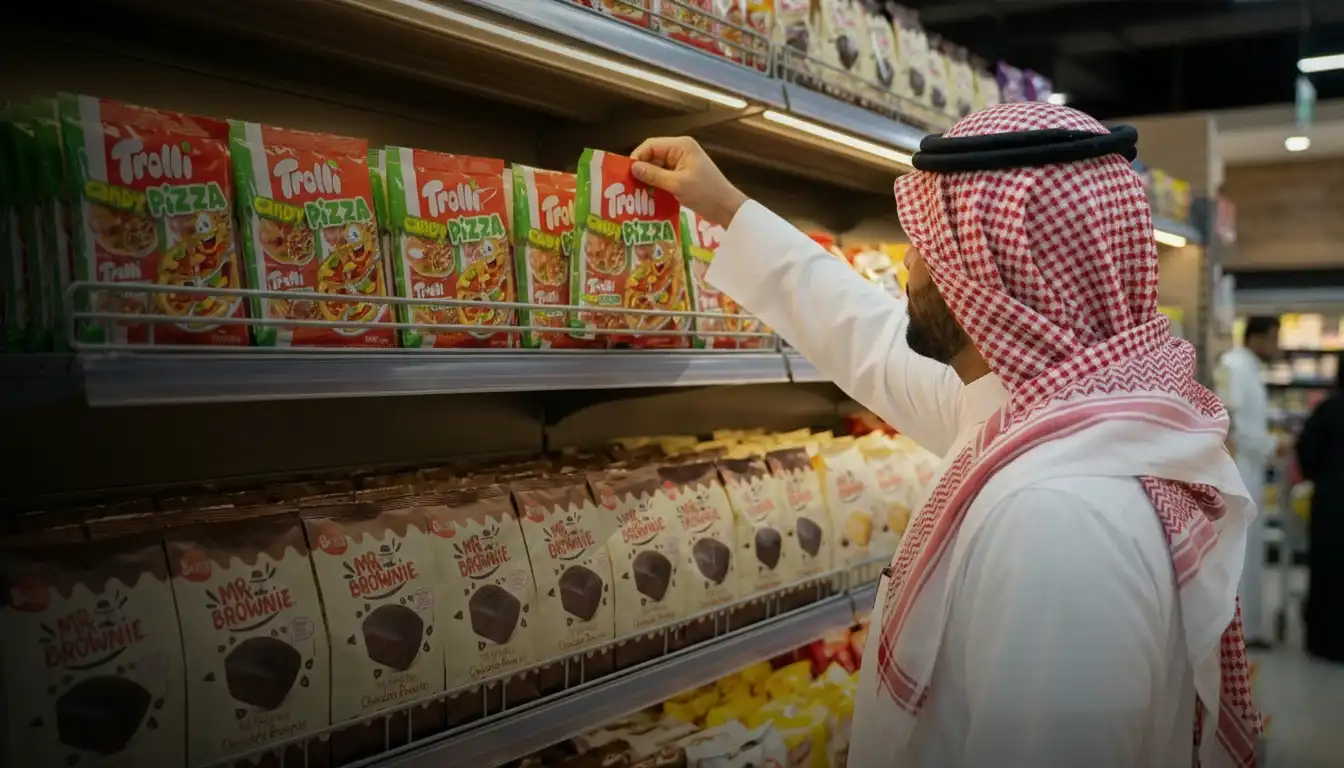
Success in snack sales starts with one key point: how snacks are arranged in the supermarket. It’s not just about placing products on shelves, but about organizing them strategically, choosing the right locations, and guiding the customer’s eye the moment they enter. When done correctly, snack arrangements increase impulse purchases, raise the average basket size, and turn shelves from simple displays into effective sales tools.
Snacks are among the most commonly purchased unplanned items. Therefore, smart presentation becomes an essential part of the store’s strategy. Arranging snacks effectively helps store owners control customer flow visually and direct attention toward high-demand or high-profit products.
Why Does Snack Arrangement Directly Affect Sales?
Customers see the shelf before deciding to buy. When they encounter clear organization, harmonious colors, and understandable categories, they feel comfortable and make decisions faster. A well-planned snack layout converts browsing into actual purchases, while random displays lead to distraction and fewer selections.
Proper shelf organization also reduces waste. Products hidden behind others or placed out of eye level are less likely to sell before expiration. Therefore, arranging snacks carefully not only boosts sales but also protects profits.
Tips for Shelf Arrangement:
- Place fast-moving products at eye level.
- Group similar snacks together for easier selection.
- Ensure prices are clear and readable.
- Maintain spacing between items for an appealing display.
- Regularly restock and balance the shelves.
Best Locations to Display Snacks in the Supermarket
Location plays a key role in purchase decisions. Placing snacks along main traffic paths and areas where customers wait increases visibility, while checkout areas significantly boost impulse buying.
Entrance areas attract attention but are not always the best spot for snacks. Optimal locations often include near beverages, children’s sections, or fast-food corners. Snack placement should be based on observing customer behavior and analyzing stop points in the store.
Practical Tips:
- Use checkout areas for small-sized products.
- Place promotional offers at aisle ends.
- Pair snacks with complementary items like juices.
- Rotate display positions periodically to test results.
- Focus on waiting areas to encourage immediate purchases.
How to Create a Clear Snack Shelf Layout
A well-organized shelf creates a visually comfortable experience. Each category should be distinct: chips, biscuits, chocolates, healthy snacks. Organizing shelves simplifies comparison and increases the chances of customers selecting multiple products.
Shelf height should also follow a clear policy based on target age groups. For children, products should be placed lower, within reach. Healthier options for adults are best displayed at eye level.
Shelf Organization Tips:
- Divide shelves by category, flavor, and size.
- Use gradient colors instead of chaotic arrangements.
- Assign fixed spaces for major brands.
- Reserve space for temporary promotions.
- Monitor shelf organization after each purchase.
How to Enhance Visual Impact
Snack sales rely heavily on promotions. Arranging snacks effectively makes it easier to design displays that combine good pricing and optimal placement. Visual impact increases when products are clearly visible and repeated along the same path.
Guiding signage attracts the eye but should not be overdone. Too many signs create clutter and dilute the message. A successful arrangement balances attractive display and simplicity.
Tips for Visual Impact:
- Use clean and clear price tags.
- Highlight limited-time offers to create urgency.
- Display family-size products next to small sizes for comparison.
- Pair displays with complementary items on the same shelf.
- Update promotions according to seasons and events.
Using Data to Optimize Snack Placement
Snack arrangement should not rely on intuition alone. Data helps identify fast-moving products and high-conversion areas, while weekly sales reveal which items need more space and which can be reduced.
Analyzing invoices, monitoring inventory, and tracking turnover speed help make informed decisions. Adjusting snack placement based on numbers reduces errors and improves profits.
Data-Driven Tips:
- Track slow-moving products.
- Increase space for high-demand items.
- Test new arrangements for limited periods and evaluate results.
- Collect staff observations on customer behavior.
- Conduct monthly shelf review plans.
The Role of Suppliers in Snack Arrangement
Success is not limited to the store. Suppliers support snack arrangement by providing varied sizes, attractive packaging, and clear information. Trusted suppliers offer display solutions, promotional stands, and practical suggestions based on market expertise.
Ongoing collaboration improves display experience, reduces stockouts, and ensures consistent quality. When shelf planning is done with a supplier who understands consumer behavior, results are much more noticeable.
How TBA Supports Snack Placement and Sales
TBA acts as a reliable partner in supplying food and organizing product categories, with a deep understanding of in-store selling dynamics. TBA helps implement snack arrangements that combine visual appeal and profitability.
TBA provides a diverse range of products for all customer segments and suggests display solutions that highlight high-demand items. The company encourages smart layouts to maximize space usage and boost customer trust. The goal is to create an easy, fast shopping experience that increases basket size without overwhelming the customer.
Customers can contact the TBA team for custom display plans and free consultation on the best ways to arrange snacks according to store design and space.
Growth in snack sales depends on smart shelf arrangement. Proper placement guides customer decisions, improves shopping experience, and presents a professional store image. Combining shelf organization, data analysis, and partnership with a reliable supplier like TBA turns the store space into an effective sales tool.
Start applying practical snack arrangement steps and watch the difference in shelf traffic and sales.
Yes, properly organized displays influence impulse decisions and significantly boost sales.
Main products should be at eye level, with lower shelves for children’s items.
Test planned changes periodically and monitor results before finalizing new arrangements.
Yes, organized colors guide the eye, simplify choice, and reduce visual clutter.
Absolutely, suppliers provide market expertise and visual support to enhance product presentation.
