.webp)
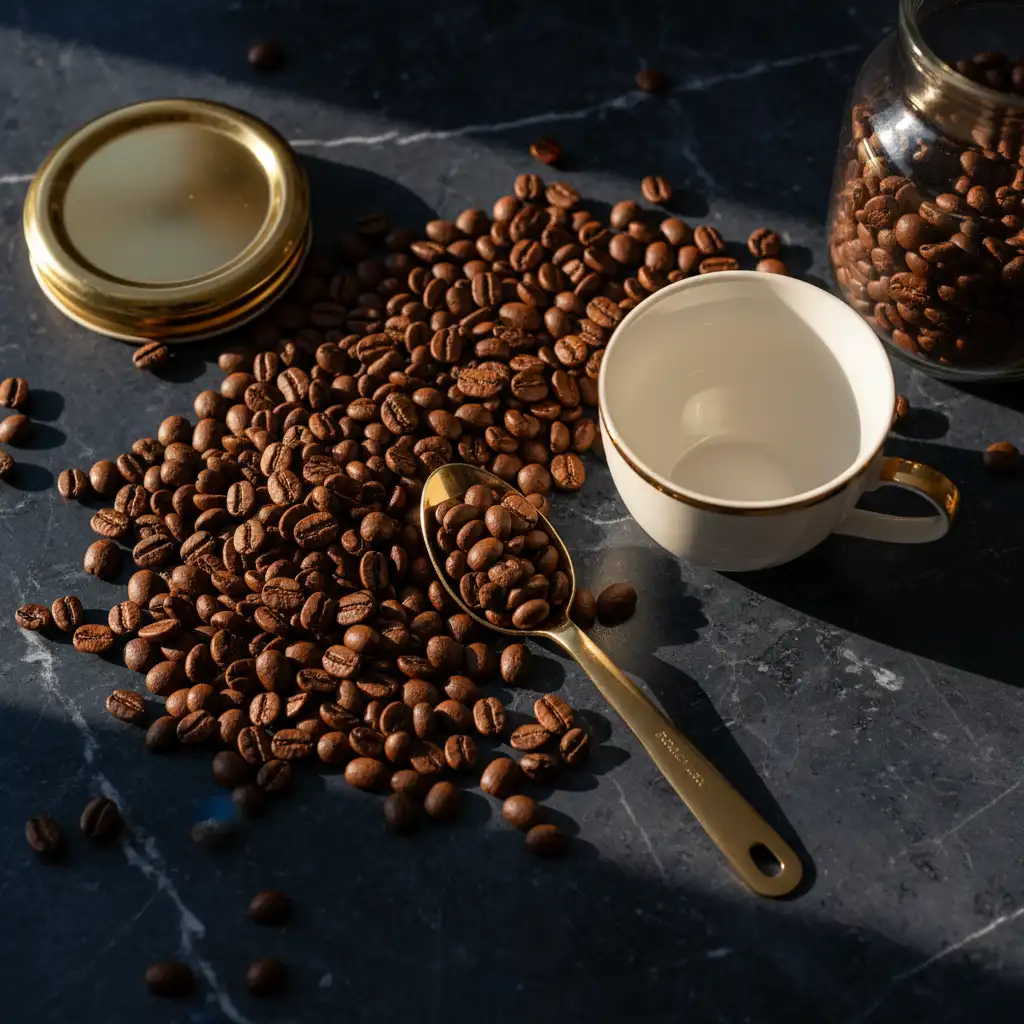
Talking about the best espresso beans in Riyadh isn't just about a drink—it's about a complete experience that begins the moment you open the package and ends with the first sip. Those who truly understand coffee know that the difference between an ordinary cup and an exceptional one lies in very subtle details, details that many consumers overlook.
Qimmat Al-Markat Al-Arabia Company, with its extensive experience in importing and distributing food products, fully understands that the Riyadh coffee market demands stringent import standards and the ability to deliver products of the highest quality. This makes it a trusted resource for anyone seeking the best coffee beans.
What distinguishes good espresso coffee from others?
Before you get your hands on any package, you need to know exactly what you're looking for. Good espresso beans aren't defined solely by price or brand, but by a range of tangible, measurable characteristics:
- Roast Level: Coffee beans suitable for espresso are typically roasted to a medium to dark level, giving the cup a full body and rich flavor.
- Freshness of Roast: Freshly roasted coffee produces a thick, golden crema on top of the espresso—a telltale sign.
- Bean Origin: Single-origin beans from specific regions like Ethiopia, Brazil, and Colombia impart distinct flavor profiles.
- Processing Method: Dry or wet processing directly impacts the acidity and sweetness of the cup.
- Blend Purity: Some brands use balanced blends of multiple varieties to achieve a consistent taste every time.
All these factors combined determine the difference between a pen that is worth buying and a pen that just occupies space on the shelf.
.webp)
Roast level and its role in the taste of espresso
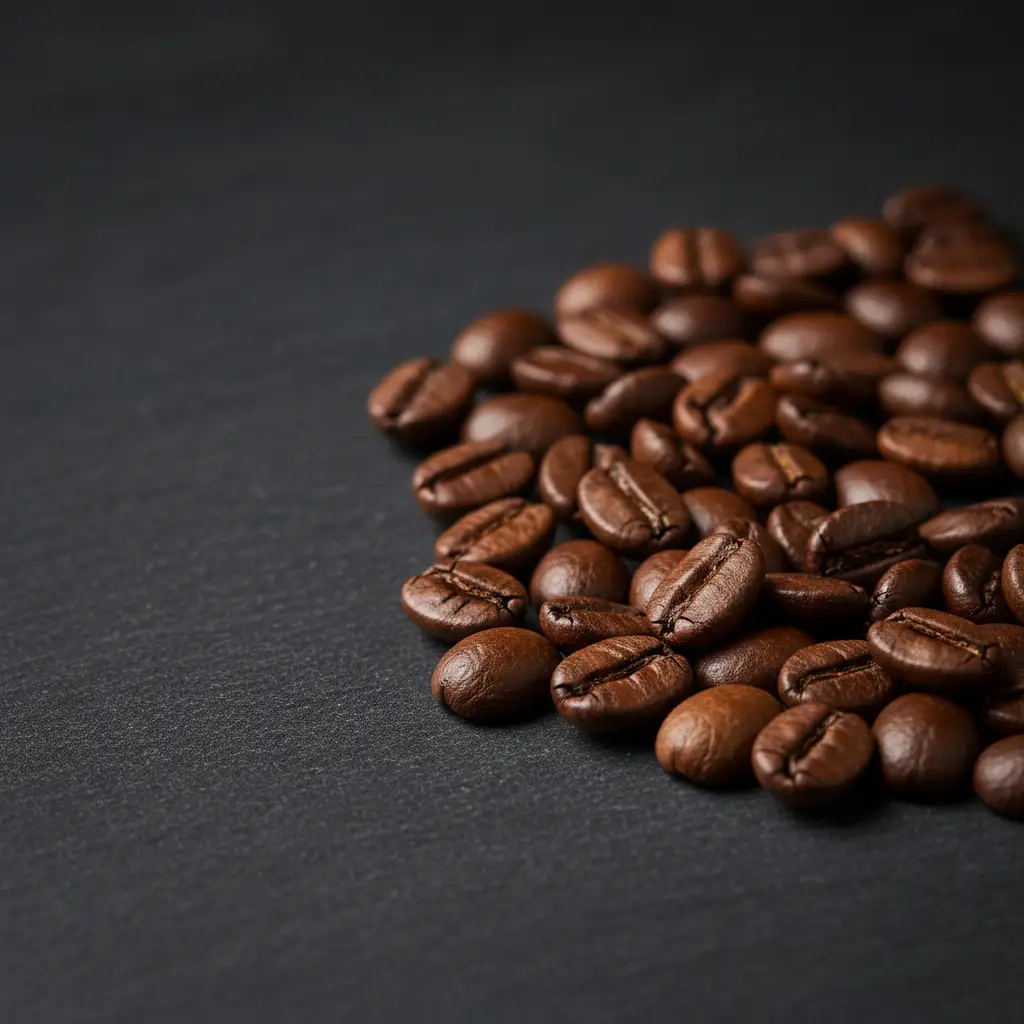
The roast level is one of the most debated topics among specialty coffee lovers. Light roasts retain high acidity and fruity notes, making them excellent for filter coffee, but they don't give espresso the rich body many seek. Dark roasts, on the other hand, lose some of their natural complexity in exchange for a measured bitterness and heavier body in the cup.
What's noteworthy here is that medium to slightly dark roasts—the approach adopted by many traditional Italian roasters—achieve a true balance between body, acidity, and sweetness. This balance is the secret to the strength of classic Italian espresso, which remains the standard to this day. Therefore, when choosing the best espresso beans in Riyadh, always ask about the roast date and degree—these two questions reveal what the labels don't.
The difference between espresso beans and regular coffee beans
People often overlook a crucial fact: there is no single "espresso bean" variety. Espresso is primarily a brewing method, but brands have developed blends and roasts specifically designed to deliver optimal results with high-pressure espresso machines.
Coffee labeled "espresso" is typically finer ground, darker roasted, and often a blend of multiple varieties engineered to provide a consistent crema and balanced flavor with every extraction. Regular coffee, used in filter coffee or Chemex, tolerates a coarser grind and a lighter roast, resulting in a fundamentally different extraction environment.
The origin of coffee beans and its effect on quality
Have you ever wondered why espresso made from Ethiopian beans is so different from that made from Brazilian beans? Geography, climate, and soil type shape the "fingerprint" of the bean before the roaster even touches it. Ethiopian coffee often carries notes of flowers and red fruits, while Brazilian coffee tends towards chocolate and nuts and has lower acidity.
When discussing specialty coffee in Riyadh, it's important to distinguish between those who import carefully selected beans from specific regions and those who rely on ready-made blends of unknown origin. Import quality here isn't a detail—it's fundamental. That's precisely why Qimmat Al-Markat Al-Arabiya (Arab Brands Summit) pays meticulous attention to the sources of the coffee beans it imports and distributes to the Saudi market.
What is the best espresso coffee in Riyadh?
The honest answer: there's no one-size-fits-all solution. In fact, this question reflects a deeper question—what exactly do you want from your cup of coffee? Someone who prefers a strong, full-bodied espresso will choose differently than someone who prefers a balanced espresso with complex flavors.
Riyadh's coffee scene has witnessed a real boom in recent years, with the arrival of international brands that were once exclusive to European markets. What distinguishes the Riyadh market now is its genuine diversity: from black coffee with its famous blends, to classic Italian brands, to the offerings of local roasters that are beginning to make a name for themselves in the world of specialty coffee.
The problem isn't a lack of options—the problem is ensuring the product arrives in its original quality. Espresso beans lose some of their properties if exposed to incorrect heat or humidity during shipping or storage. This is where a reliable importer like Qimmat Al Arabiya (Arab Brands Summit) comes in, guaranteeing a sound supply chain from the source to the consumer, ensuring the best espresso beans in Riyadh.
.webp)
A comprehensive comparison of the most popular espresso coffee brands in Riyadh
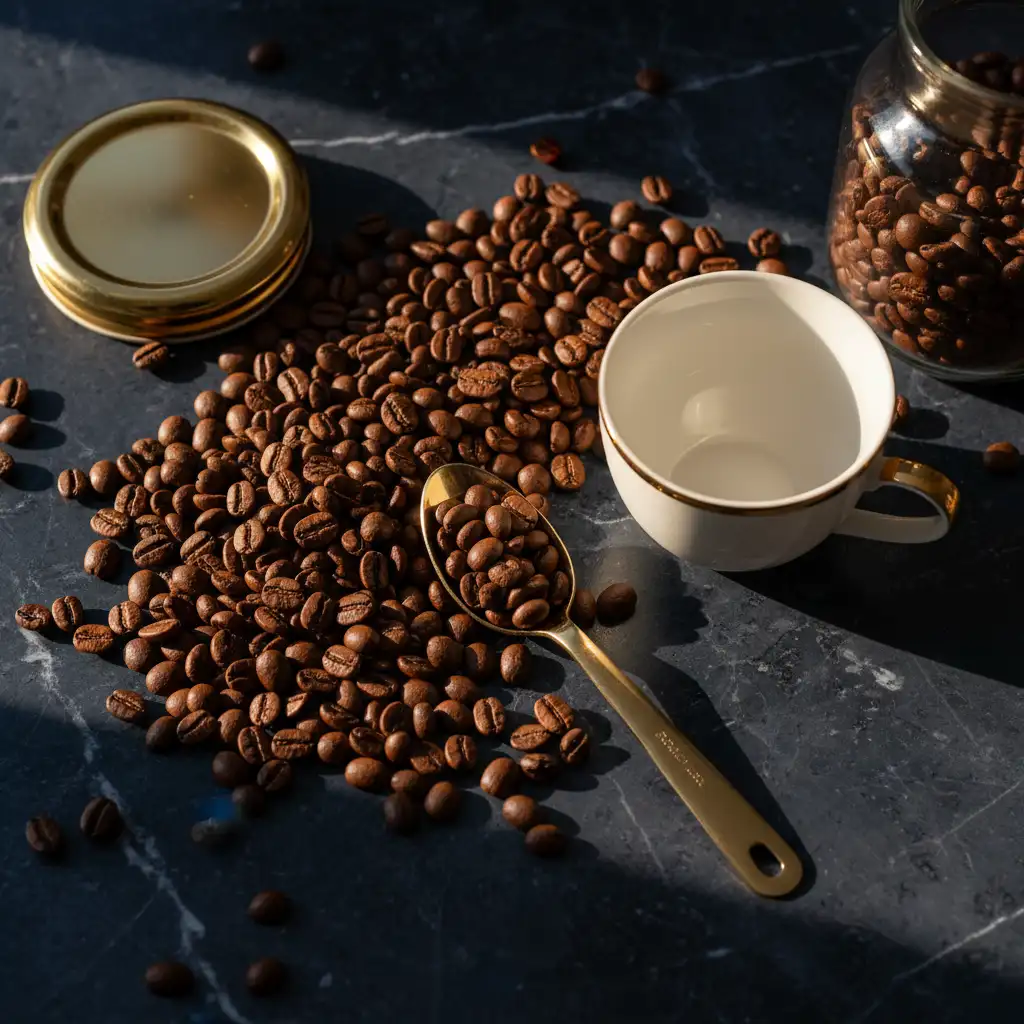
The Saudi market today boasts a wide array of espresso options, each brand carrying its own distinct flavor profile. Traditional Italian brands rely on decades-old, time-tested blends designed for espresso machines with nine bar pressure and above, characterized by a smooth bitterness, rich crema, and a creamy, lingering body. In contrast, newer American and European brands tend towards lighter, more complex espresso blends, capitalizing on the global specialty coffee craze.
Black Coffee, for example, has become a household name in Riyadh's coffee scene, targeting a segment that demands a reliable, ready-made blend with a consistent taste. Other brands present themselves as freshly roasted coffee with clearly defined roast dates, appealing to discerning consumers who understand that modernity is essential.
Comparing taste, smell, and texture
Taste, aroma, and body—this triad ultimately differentiates one brand from another. In terms of aroma, blends rich in Brazilian coffee have a dark chocolate and caramel scent, while those with a higher percentage of Ethiopian or Yemeni coffee have a more floral and spicy aroma.
As for body, it's a matter of roasting and grinding. A less coarsely ground coffee with a dark roast produces a thick, honey-like espresso, which is exactly what lovers of classic Italian espresso seek. At a specialty roastery, the grind is sometimes specified according to the machine being used, as the same beans can produce different results on different machines. This understanding is what distinguishes a discerning consumer from someone who buys haphazardly.
What is the difference between ground espresso coffee and whole beans?
This question seems simple, but it masks one of the most important decisions a coffee buyer makes. Pre-ground coffee begins to lose its volatile flavors as soon as it's ground—oxygen reacts with the surface of the ground coffee much faster than it does with whole beans. This means that pre-ground espresso coffee that's been sitting on the shelf for weeks will give you a much less flavorful cup than its professional packaging suggests.
Whole beans, when ground just before brewing, retain most of their aromatic oils and produce a more vibrant and richer extraction. The difference is especially noticeable in a cup of espresso, as this brewing method relies on high pressure to extract everything from the bean—both the good and the bad. Therefore, if you own even a basic grinder, whole beans are always the smarter choice.
However, for those without the time or a grinder, there are high-quality pre-ground packets packaged in a nitrogen atmosphere that preserves the flavor for longer. This packaging technique is common among professional brands imported by companies like Qimmat Al Arabiya, which specializes in importing and distributing food products with strict preservation standards.
Yes, this is precisely one aspect of Qimmat Al-Markat Al-Arabia's work. The company imports and distributes food products, including coffee, serving a wide range of customers including restaurants, cafes, and distributors. Direct communication with the company allows for detailed information on available quantities and supply terms.
Italian coffee traditionally relies on blends of Robusta and Arabica beans, resulting in a thicker crema, a subtle bitterness, and a higher caffeine content. American coffee—especially that produced by artisanal roasters—tends toward pure Arabica with a lighter roast, highlighting the bean's natural flavors and creating more nuanced tastes in the cup. Both have their loyal followings.
The two most important rules: keep it away from air and light and heat. Use an airtight container and store it in a cool, dark place—but avoid the refrigerator if the package is opened daily, as condensation from repeated cooling and heating can damage the grains. Buying small quantities frequently is better than storing large quantities for extended periods.
