.webp)
Arabic coffee is more than just a beverage—it's a deeply rooted ritual in our culture, accompanying greetings, conversations, and even moments of silence. In fact, the best instant Arabic coffees now offer this authentic experience with fewer steps and less effort, without sacrificing any of its essence. This has made it an increasingly popular choice in homes, offices, and small gatherings.
Qimmat Al-Markat Al-Arabiya Company, specializing in importing and distributing food products, closely monitors and keeps pace with this shift in consumer tastes. Positioned at the heart of the supply chain, Qimmat Al-Markat Al-Arabiya possesses a clear understanding of the most sought-after and highest-quality Arabic coffee varieties on the market, making it a trusted resource for those seeking to make informed choices.
What is instant Arabic coffee?
Instant Arabic coffee is a ready-made blend of roasted ground coffee with traditional spices like cardamom, saffron, and cloves, packaged in sachets or cans. Simply boil or steep it in hot water to prepare the coffee. The core idea is to shorten preparation time while maintaining a taste close to that of coffee brewed directly over a fire using traditional methods.
What's noteworthy here is that these products aren't just for the lazy or impatient, but also for those who don't always have the opportunity to make coffee from scratch. Whether you're an office worker, a hotel guest, or a homemaker expecting unexpected guests, you'll find instant Arabic coffee a practical solution without compromising on authenticity.
.webp)
The difference between traditional Arabic coffee and instant coffee
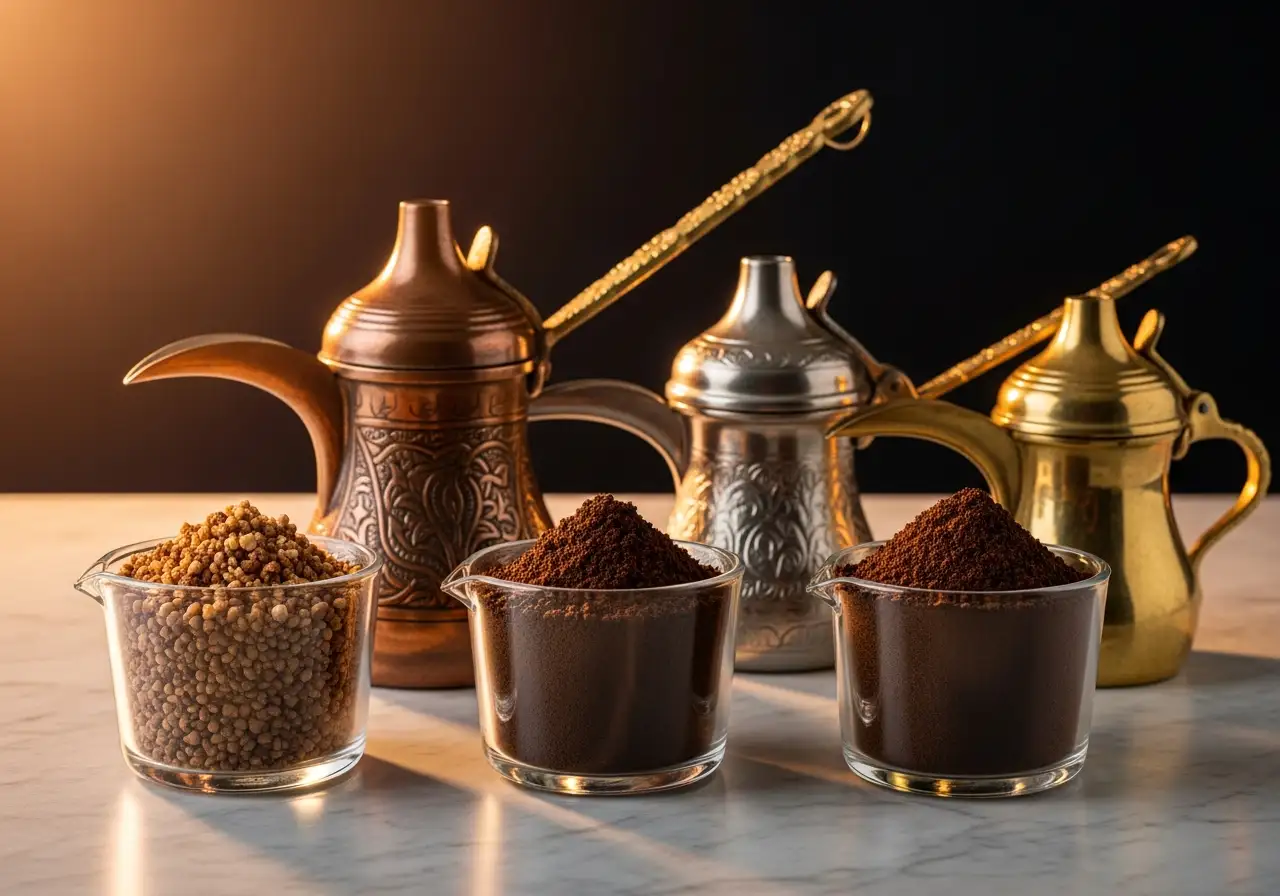
Traditional Arabic coffee undergoes meticulous manual processes: roasting the beans over a fire in a roaster, grinding them in a mortar and pestle, then boiling them in a traditional coffee pot (dallah) with spices for a specific time, culminating in straining and serving. This process can take twenty minutes or more and requires genuine expertise in calculating the proportions and controlling the temperature. The result is a deep, rich flavor that absorbs the aromas gradually over time, a process that cannot be rushed.
Instant Arabic coffee, on the other hand, has already undergone most of these stages in a factory. The ground coffee is ready, the proportions are calculated, and the spices are pre-mixed. All that remains for the user is to add hot water and wait a few minutes. In truth, the difference in taste between the two has narrowed considerably with advancements in packaging and drying technologies, although freshly brewed coffee still holds a special place for those who have the time and appreciate the difference.
The best types of instant Arabic coffee
Are you wondering which one deserves a permanent place in your kitchen? Here are the top types that top the list of the best instant Arabic coffees:
- Arabic coffee with cardamom and saffron: This is the classic choice in the Gulf region. It is characterized by its light golden color and aromatic scent that fills the room as soon as the hot water is poured. It is suitable for formal occasions and entertaining dignitaries.
- Plain Arabic coffee (without saffron): For those who prefer the taste of coffee and cardamom without saffron. It is less complex in flavor and more readily accepted by those unaccustomed to the bitterness of saffron. It is common in the Najd and Levant regions.
- Arabic coffee with cloves and cinnamon: A warmer blend suitable for winter weather and intimate occasions. The cinnamon adds a subtle sweetness that balances the intensity of the coffee and makes the drink more harmonious for those who find pure bitterness off-putting.
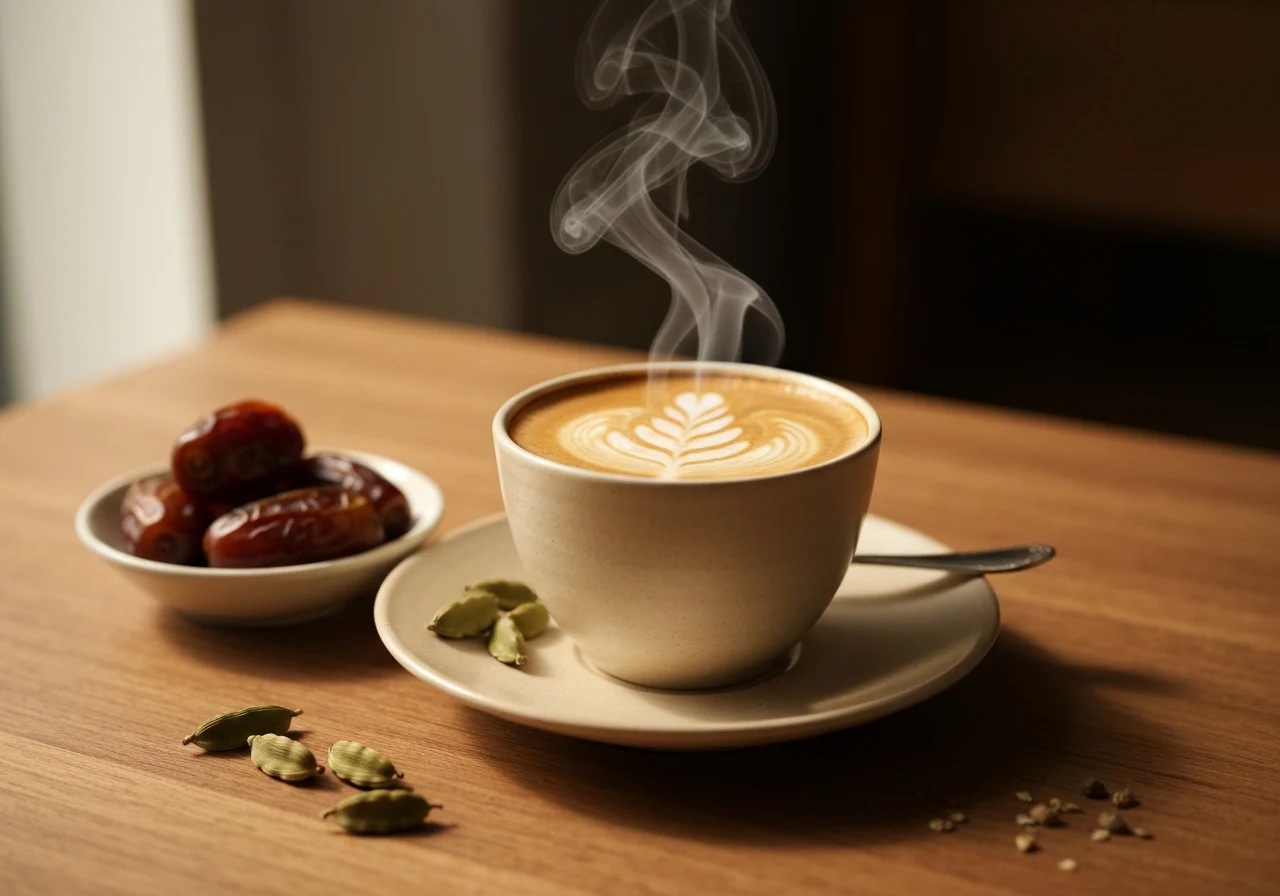
- Light Roast (Blonde) Arabica Coffee: Preferred in some parts of the Arabian Peninsula, it has a lighter color and a milder flavor. It is sometimes served with dates or brown sugar cubes to balance its smooth taste.
- High Cardamom Arabica Coffee: For true cardamom lovers, some brands offer a higher concentration of this spice compared to the standard blend. Its taste is bolder and has a more pronounced throat hit.
One sentence sums it up: There are many varieties on the market, but the real difference lies in the quality of the source and the accuracy of the spice ratios.
Types of ready-made blended Arabic coffee
Beyond pure Arabic coffee, ready-made blends have appeared on the market, combining Arabic coffee with other ingredients to enrich the experience and broaden the consumer base. Among the most prominent in this category are the following:
- Arabic Coffee Blend with Sweetened Milk: This blend combines Arabic coffee with milk powder and sugar in a single mix, ready for instant brewing. It's ideal for those who prefer a smoother, less bitter beverage, and many people overlook the fact that this type has become one of the best-selling instant coffee products.
- Arabic Coffee Blend with Barley: An age-old tradition dating back to the humble farmers and shepherds who used to mix roasted barley with coffee beans to extend the brewing time. Today, this blend is a popular choice for its warm, earthy flavor and lower caffeine content.
- Arabic Coffee Blend with Turmeric and Ginger: A functional blend that combines the authentic flavor of Arabic coffee with the well-known health benefits of turmeric and ginger. It's perfect for those seeking health benefits alongside a traditional taste.
- Arabic coffee with dates: Dried date powder is added to the mixture to provide natural sweetness without the need for added sugar, a growing option among those interested in healthy eating.
- Instant Arabic coffee: A faster version where the powder dissolves directly in hot water without filtering or waiting. Convenient for travel and offices, but far removed from the authentic taste of a traditional coffee pot.
How to choose the best types of instant Arabic coffee?
The right choice doesn't start with the brand, but with understanding your own needs. Are you preparing it for guests at a formal occasion? Or for yourself in the morning before work? This question alone significantly narrows down the options.
Practically speaking, look at the ingredient list first. Good Arabic coffee is made from freshly roasted green beans, cardamom, and genuine saffron—not artificial flavorings or aroma enhancers. Many packages list "saffron flavor" instead of "real saffron," and this is a significant difference that affects both the price and the quality of the cup.
Next, pay attention to the production and packaging dates. Arabic coffee loses some of its aroma over time, even in airtight packaging. This seemingly small detail can significantly alter the drinking experience. Qimmat Al-Markat Al-Arabiya, given its work in importing and distributing food products, places particular importance on this aspect when selecting its suppliers.
Finally, don't neglect practical experimentation. Purchase small quantities of different types and compare them. Ultimately, flavor is subjective; what your neighbor enjoys might not appeal to you, and vice versa.
.webp)
The benefits of Arabic coffee and its effects on health
Arabic coffee is not just a flavor and a tradition — it has real effects on the body that are worth being aware of:
- Relatively low in caffeine: Traditional Arabic coffee is made from lightly roasted green beans, resulting in a significantly lower caffeine content compared to dark black coffee or espresso.
- Cardamom supports the digestive system: Studies have shown that cardamom has a soothing effect on stomach muscles, which explains why Arabic coffee is often served after heavy meals.
- Saffron and its potential benefits: Saffron contains compounds like crocin that may contribute to improved mood and reduced stress, although the amounts used in coffee are relatively small.
- Naturally sugar-free: Authentic Arabic coffee is traditionally drunk without sugar, making it a calorie-neutral option for those watching their weight.
- Cloves are an antioxidant: Cloves are rich in antioxidants, which help the body fight inflammation.
- Social and psychological impact: This is an aspect often overlooked—the ritual of preparing and serving coffee together fosters camaraderie and reduces feelings of isolation.
Good quality is possible, but not guaranteed for all products. The real difference lies in the processing and packaging methods. Brands that use advanced drying techniques preserve the essential oils in the coffee beans, resulting in a taste much closer to that of freshly brewed coffee. Cheaper products that rely on added flavorings, however, have a significant and noticeable difference from freshly brewed coffee, especially in the first cup.
Saffron imparts a distinctive golden color and warm floral aroma that is a hallmark of traditional Gulf coffee. Coffee without saffron is more neutral in color and taste, and is suitable for those who prefer cardamom alone or who dislike the floral character. Ultimately, the choice between the two is a matter of personal taste; there is no right or wrong answer.
Proper storage is essential for optimal flavor. Keep it in an airtight container away from direct light, moisture, and heat. Refrigeration isn't always necessary, but a low temperature will extend the shelf life of essential oils. Avoid storing it near other strongly scented spices like cinnamon or cumin, as ground coffee readily absorbs surrounding aromas.
