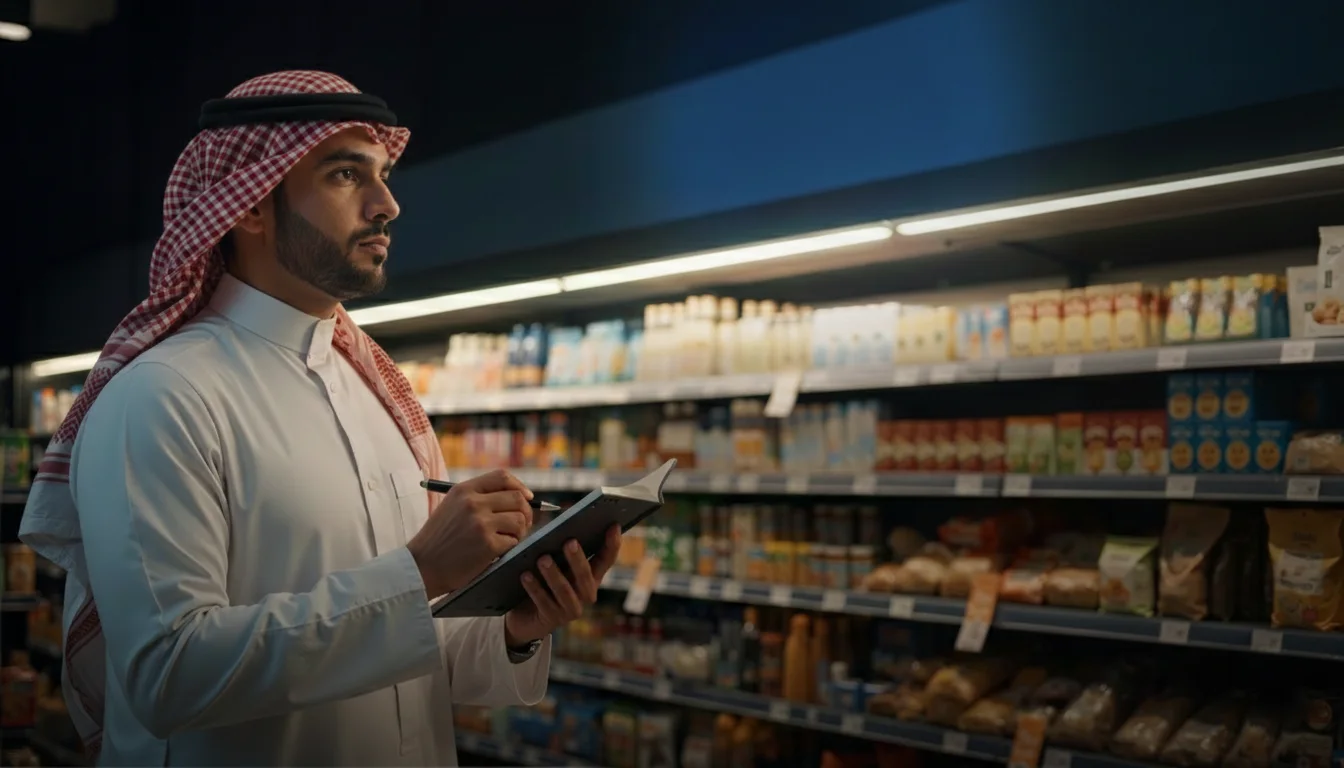
Managing food product categories strategically is one of the most effective ways to improve store performance, reduce waste, and increase profitability. Instead of treating shelves as simple display areas, category management views each product group as a “mini business” with clear objectives, performance indicators, and a defined role within the store.
When food categories are managed intelligently, pricing decisions, promotions, and space allocation are driven by real data—not guesswork—resulting in higher sales, stronger customer loyalty, and healthier margins.
What Is Food Category Management and How Does It Improve Store Performance?
Food category management is the process of organizing products into clearly defined groups based on consumer behavior, purchasing patterns, and each category’s role in the store. Each category is then managed through a tailored plan designed to maximize sales and profitability.
With this approach, shelves are no longer managed randomly. Instead, decisions are guided by clear goals such as increasing purchase frequency, raising the average basket value, or improving profit margins.
Key benefits include:
- Clear visibility into category performance
- Faster, more confident decision-making
- Improved product availability
- Reduced losses from overstocking or spoilage
Defining the Role of Each Category Within the Store
Not all categories serve the same purpose. Food category management assigns a specific role to each category, making pricing, promotions, and inventory decisions more strategic and effective.
Practical examples:
- Core categories: milk, bread, everyday essentials
- Traffic-driving categories: promotions and seasonal items
- Profit categories: products with higher margins
This structure helps you know when to expand, promote, or limit a category—without disrupting overall store balance.
Product Assortment: Managing Categories Without Overcrowding
Effective food category management strikes a balance between variety and clarity. Too many options confuse shoppers, while too few limit sales opportunities.
Smart assortment decisions rely on sales data, inventory turnover, and customer preferences.
Practical tips:
- Focus on fast-moving products
- Offer multiple price tiers within the same category
- Introduce new products gradually and track performance
The goal is a clear, easy-to-understand assortment that encourages repeat visits.
Shelf Organization and Its Impact on the Shopping Experience
When food category management is applied to shelf layout, the in-store journey becomes logical and intuitive. Customers find what they need quickly while still being encouraged to explore.
- Place essential items in easily accessible locations
- Position complementary products near each other
- Use eye-level placement for priority products
The result is an increase in both planned and impulse purchases, alongside a smoother shopping experience.
Smart Pricing for Every Category
Food category management treats pricing as a strategic decision rather than a random action. Prices are aligned with the category’s role, profit margins, competitive positioning, and perceived customer value.
- Use short-term promotions instead of constant discounts
- Measure the impact of offers on profitability, not just sales volume
- Bundle promotions across complementary categories
This approach protects margins while maintaining price competitiveness.
Data-Driven Decision Making
Food category management delivers the best results when built on accurate data, including:
- Sales performance
- Inventory levels
- Seasonal demand
- Market trends
- Customer feedback
This data enables retailers to:
- Forecast seasonal demand more accurately
- Identify underperforming categories early
- Reallocate shelf space based on real performance
Data is not optional—it is the foundation of a successful category strategy.
Reducing Waste and Preventing Stockouts
Well-managed categories lead to healthier inventory cycles. Food category management helps control ordering, rotate stock based on expiration dates, and minimize losses.
- Apply FIFO (First In, First Out) principles
- Define safe stock levels for each category
- Coordinate flexible delivery schedules with suppliers
This protects profitability while ensuring product availability for customers.
Building a Shopping Experience That Drives Customer Loyalty
Customers don’t see strategies—they experience clarity and convenience. When food category management is implemented correctly, the store feels organized, intuitive, and reliable.
- Use simple, clear signage
- Highlight healthy or specialty products
- Recommend complementary items intelligently
The shopping experience becomes part of your brand identity, encouraging repeat visits.
Supplier Partnerships: A Strategic Element in Category Management
Food category management cannot succeed in isolation from suppliers. The right partners share data, support planning, assist with promotions, and introduce innovative products.
Strong collaboration reduces risk and enhances profitability—especially over the long term.
Why Work with TBA?
TBA provides hands-on expertise in category planning, performance analysis, and shelf optimization—along with reliable food supply solutions.
Through a structured approach to food category management, TBA helps retailers:
- Increase sales
- Reduce waste
- Raise average basket value
With WhatsApp communication available directly through the website, stores can start planning immediately with the TBA team.
When categories are managed with a clear strategy, shelves transform from simple displays into powerful drivers of profitability. Food category management helps organize departments, guide promotions, optimize pricing, and create a shopping experience that customers remember.
With an experienced partner like TBA, this strategy becomes easier to implement and delivers measurable results in a shorter time.
Yes. Food category management can be implemented gradually based on store size.
Absolutely. It organizes product displays and enables smoother purchasing decisions.
Yes—by improving assortment, pricing, and inventory control.
You can start with basic tools and upgrade as needed.
Quarterly reviews are recommended to ensure continuous improvement.
