.webp)
Choosing the right wholesale food supplier isn't just a purchasing decision—it's a strategic one that directly impacts your profit margins and your reputation with customers. Many business owners realize this too late, when they find themselves dealing with an unreliable supplier or products that don't meet specifications. It's worth considering carefully before signing any contract.
Qimmat Al-Markat Al-Arabiya specializes in importing and distributing food products to professional standards that meet the demands of the local market. Whether you run a grocery store, a restaurant chain, or any business that requires a consistent supply, you've come to the right place.
Why choose a wholesale food supplier?
The truth is that dealing directly with a specialized wholesale food supplier completely turns the tables in your business. When you buy in bulk from a single, reliable source, you secure better prices, ensure a steady supply, and avoid costly shortages.
What's striking is that many small business owners hesitate to approach wholesale suppliers, believing that the minimum order quantity will be burdensome. However, the reality is different—professional suppliers tailor their solutions to suit a wide range of business sizes, from small grocery stores to large warehouses.
Savings aren't just about price. When you work with a supplier who understands your needs and adheres to delivery schedules, hidden operating costs like time spent searching for alternatives and emergency purchasing expenses decrease. That's what makes the real difference at the end of the month.
.webp)
Key criteria for selecting the best wholesale food supplier
- Official Licensing and Accreditation: Verify that the supplier holds valid import and distribution licenses and that their products comply with the requirements of the relevant regulatory authorities.
- Product Variety: A good supplier offers a wide range of food products to meet your various needs without requiring you to deal with multiple suppliers.
- Delivery Commitment: Check the supplier's track record with previous clients—frequent delays are a serious warning sign that should not be ignored.
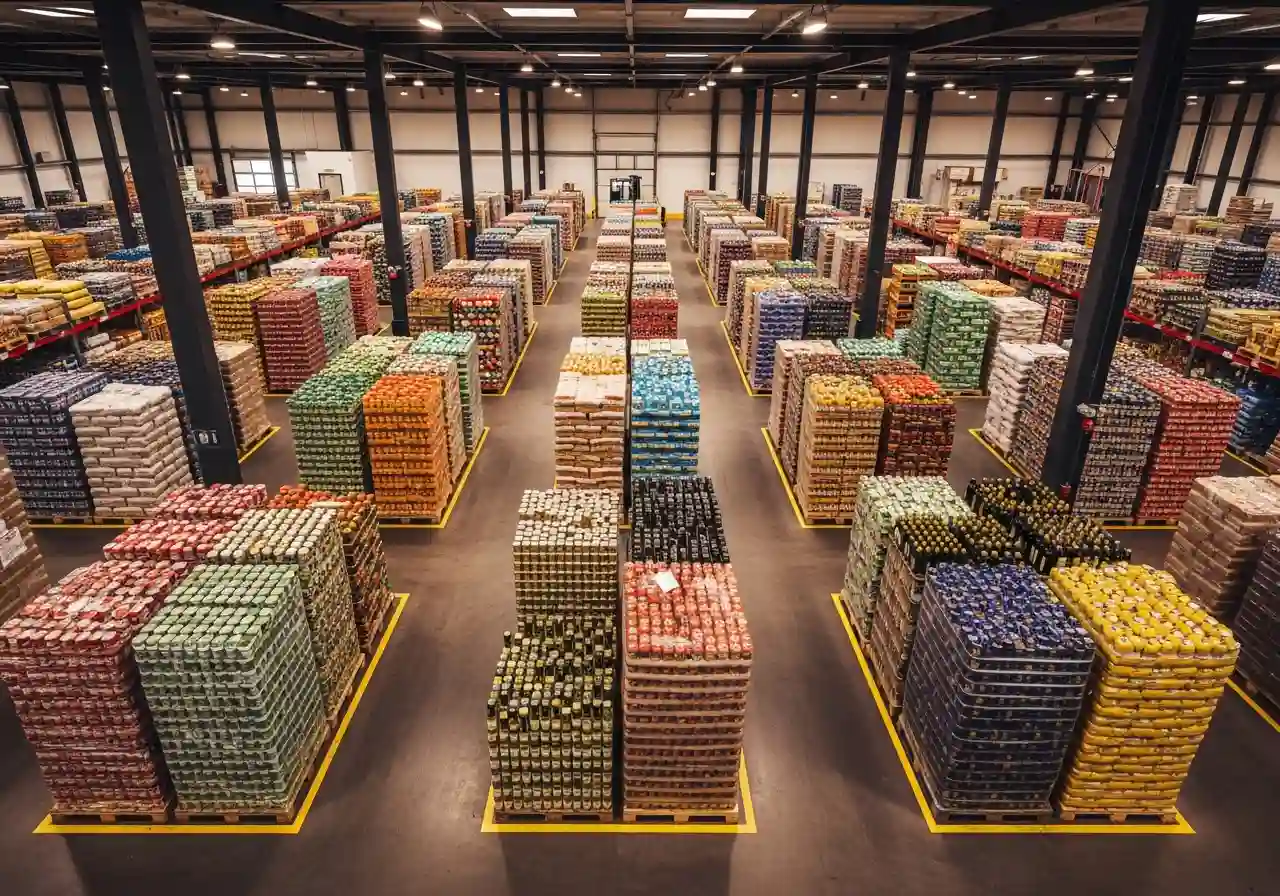
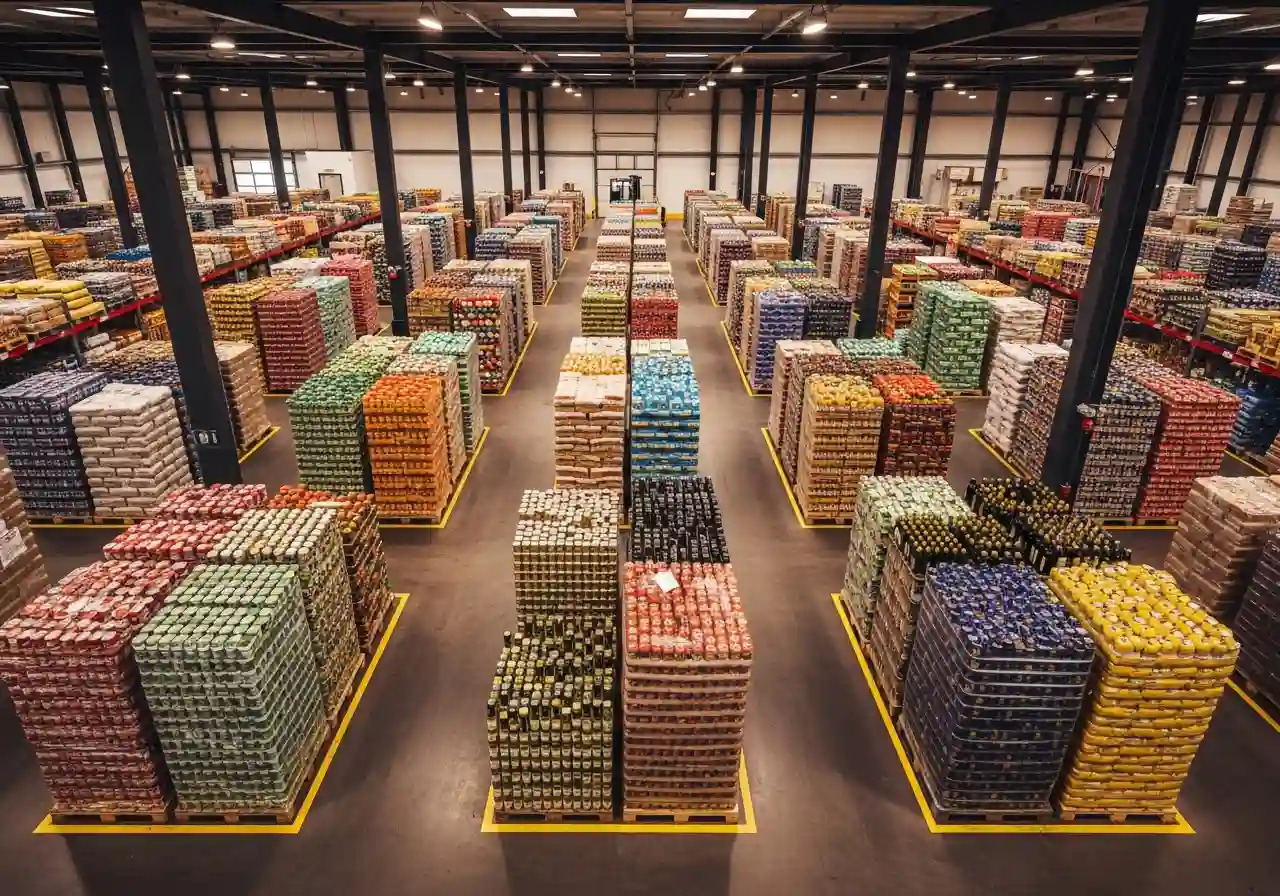
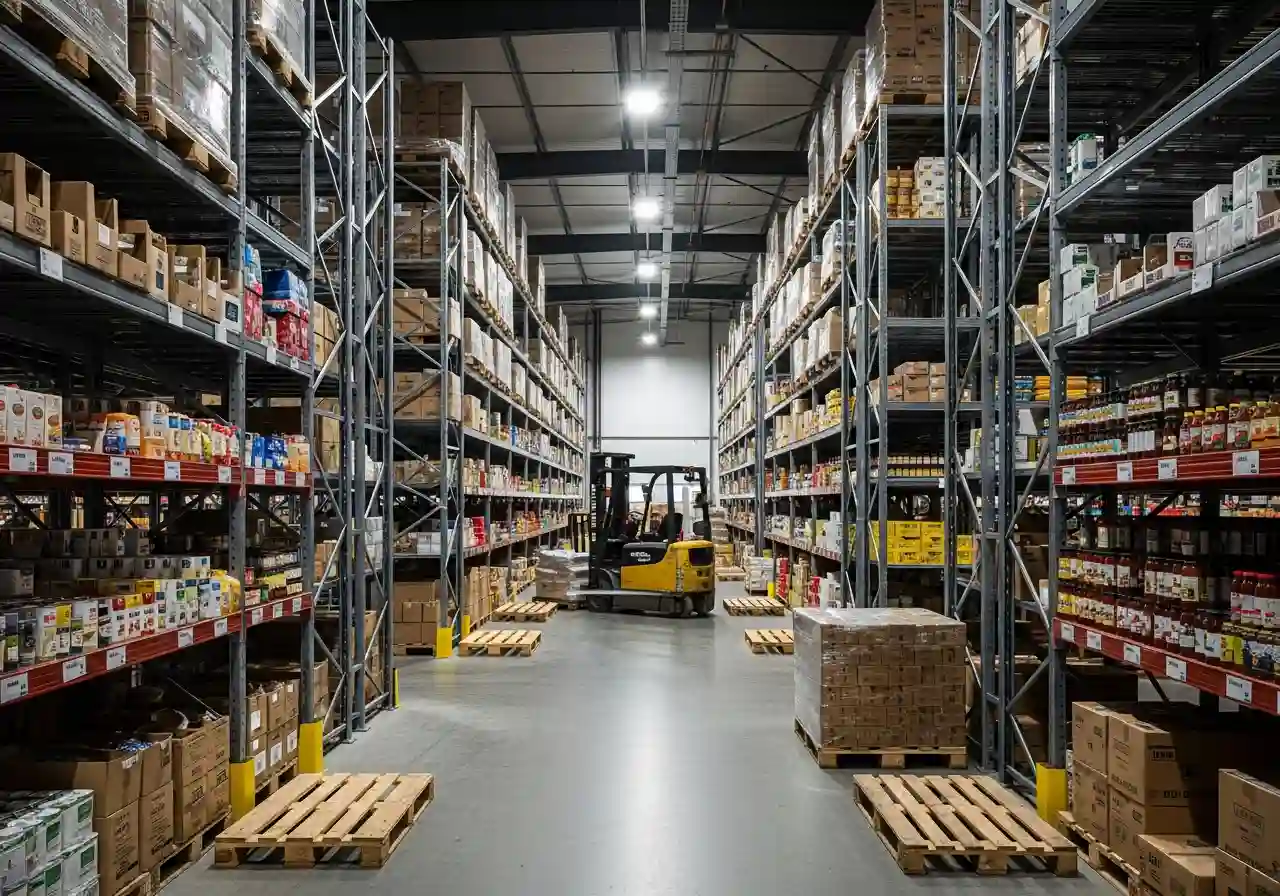
- Having a well-organized wholesale food warehouse: A good warehouse reflects a high level of professionalism in storing and maintaining product quality and safety.
- Transparent pricing: Avoid suppliers who hide extra charges or change prices suddenly without prior notice.
- After-sales service: Does the supplier follow up on your complaints? Do they respond quickly when there's a problem with the shipment? This is just as important as the price.
A resource that meets all these criteria is not easy to find, but it exists.
Who benefits from the services of wholesale food suppliers?
The answer is broader than many realize. Of course, grocery store owners and supermarkets come to mind, but the wholesale food consumption sector extends far beyond that.
Restaurants and catering companies make up a significant portion of wholesale customers—they require consistent, uninterrupted supplies of essential ingredients throughout the week. Any delay in delivery translates directly into a loss of daily revenue.
Small and medium-sized food manufacturers also rely on food suppliers to ensure the availability of raw materials at competitive prices and with standardized specifications. Schools, care homes, and hotels—all these entities require a consistent and uninterrupted supply.
Are you wondering if your business is large enough to deal with a wholesale food supplier? In most cases, the answer is yes—especially when you work with a company that understands your actual size and offers flexible solutions.
Key services of a wholesale food supplier
- Food Import: Direct dealings with international factories and suppliers to secure a diverse range of products at competitive prices not readily available in the local market.
- Wholesale Food Warehouse Storage: Providing a suitable storage environment that ensures product safety and conformity to specifications until delivery.
- Regular Distribution: A well-organized delivery service according to agreed-upon schedules to guarantee the continuity of the client's business.
- Managing a variety of food products: Consolidating orders from multiple food categories into a single shipment reduces logistics costs.
- Flexible quantities: Designing offers to suit different business sizes, from small grocery stores to regional distributors.
- Technical and advisory support: Providing advice on the best products for each sector and regular updates on the latest imported food products.
.webp)
What makes TBA stand out as a wholesale food supplier?
The Arab Brands Summit Company doesn't simply act as an intermediary, moving goods from one point to another. The company builds long-term relationships with its clients based on understanding their actual needs and monitoring their business development. This approach makes the experience fundamentally different from dealing with a traditional supplier.
The company's experience in importing and distributing food products means it knows how to navigate market fluctuations and secure alternatives when global supply chains are disrupted. This is precisely the point often overlooked when comparing suppliers—the ability to withstand and maintain operations during crises is the true test.
The company's commitment to quality standards is evident at every stage: from selecting international suppliers and conducting thorough inspections upon receipt to maintaining optimal storage conditions within the warehouse. The product you receive is exactly as agreed upon—no surprises.
Add to that a team that responds quickly and handles orders with flexibility, and you'll find that Top Arab Brands deserves to be your preferred partner for wholesale food supplies.
A wholesale supplier deals directly with major manufacturers or importers, allowing them to offer significantly lower prices compared to a retailer who buys in limited quantities from multiple intermediaries. The difference isn't just in price, but also in supply continuity, product variety, and guaranteed sourcing. When you deal with a professional wholesale food supplier, you get a complete system, not just a retailer.
The first step is to precisely define your needs: What products do you require? What are the approximate monthly quantities? Then, contact the company to discuss the terms of cooperation, payment options, and delivery. Qimmat Al-Markat Al-Arabiya simplifies these steps and guides you toward the package best suited to your project's size, without any complications.
Yes, many food suppliers now offer flexible options suitable for small and medium-sized enterprises (SMEs). Minimum order quantities vary from product to product and company to company, but the important thing is to ask and negotiate—flexibility is the norm, not the exception.
